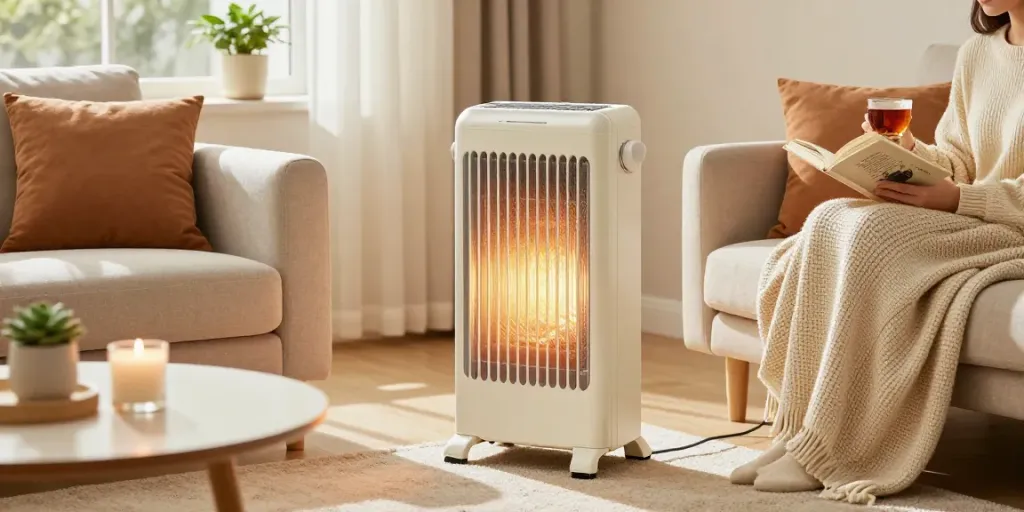
Understanding Ceramic Heaters
Ceramic heaters are rapidly becoming a favored choice among homeowners seeking efficient and effective heating solutions. Utilizing advanced heating technology, these heaters offer unique benefits and applications that make them ideal for various environments. When exploring options, ceramic heater models provide comprehensive insights into modern heating needs and energy management.
What is a Ceramic Heater?
A ceramic heater is a type of electric space heater that utilizes a ceramic element to generate heat. The ceramic material is known for its ability to retain heat, which leads to more energy-efficient heating compared to traditional electric heaters. Unlike conventional heaters that rely heavily on air convection, ceramic heaters focus on radiant heat transfer, which warms objects directly in their path.
How Do Ceramic Heaters Work?
The working principle of a ceramic heater is centered on the process of resistive heating. When electricity passes through the ceramic element, it encounters resistance and generates heat. This heat energy is then transferred to the air surrounding the heater, creating warmth that can be felt almost instantly. Ceramic heaters often employ multiple heat transfer mechanisms—conduction, convection, and thermal radiation—to ensure efficient heating.
Benefits of Using a Ceramic Heater
- Energy Efficiency: Ceramic heaters convert nearly all the electricity they consume into heat, minimizing energy waste.
- Rapid Heating: These heaters can reach high temperatures quickly, providing warmth faster than many traditional heaters.
- Quiet Operation: Most ceramic heaters operate silently, making them ideal for bedrooms and quiet spaces.
- Portability: Many ceramic heaters are lightweight and compact, allowing for easy movement from one room to another.
Evaluating Efficiency and Cost
Understanding the efficiency and cost of ceramic heaters is crucial for making an informed purchasing decision. These heaters can vary significantly in terms of energy consumption and output, offering a range of options suitable for different heating needs.
Are Ceramic Heaters Cheap to Run?
Generally, ceramic heaters can be quite economical to operate, especially when used for localized heating rather than heating an entire home. The actual running costs depend on factors such as the wattage of the heater, the duration of use, and the local energy prices. With efficient designs, ceramic heaters can significantly reduce overall heating costs when used correctly.
Comparing Operating Costs: Ceramic vs. Oil-Filled Heaters
While both ceramic heaters and oil-filled radiators convert 100% of electricity into heat, ceramic heaters excel in thermal efficiency. A ceramic heater warms up quickly and can retain heat even after being turned off, often saving users money in the long run compared to oil-filled heaters. The latter typically takes longer to heat up and cools down faster, necessitating more frequent cycling of the heating element.
Understanding Energy Efficiency Ratings
When shopping for a ceramic heater, look for energy efficiency ratings that indicate how effectively a heater converts electrical energy to heat. Many models also feature programmable thermostats and timers that can further enhance their efficiency by allowing users to set heating schedules according to their needs.
Choosing the Right Ceramic Heater
Selecting the appropriate ceramic heater involves considering several factors, such as size, features, and the specific heating requirements of your space. Here are key points to guide your decision.
What Size Ceramic Heater Do You Need?
Choosing the right size ceramic heater is critical for achieving optimal heating efficiency. Experts recommend the following general wattage guidelines based on room size:
- Up to 6m²: around 400–600W
- 6–12m²: around 600–1,200W
- 12–20m²: around 1,200–2,000W
- 20–30m²: around 2,000–3,000W
Key Features to Look For in a Ceramic Heater
When evaluating ceramic heaters, consider the following features:
- Thermostat Control: Look for models equipped with programmable or digital thermostats for better temperature regulation.
- Safety Features: Ensure the heater has safety features like tip-over protection and overheat shutoff.
- Portability: If you plan to move the heater around, consider a lightweight and compact design.
Smart Thermostats and Programming Options
Many modern ceramic heaters come with smart technology that allows for remote control and programming. This can be particularly useful for setting heating schedules based on occupancy patterns, thereby maximizing both comfort and energy savings.
Installation and Safety Tips
While installation of ceramic heaters is generally straightforward, following safety precautions can enhance their safety and efficiency. Here are essential tips to consider:
Can You Install a Ceramic Heater Yourself?
Yes, many ceramic heaters are designed for easy plug-and-play installation, and most households can handle this without professional assistance. However, always consult the manufacturer’s instructions to ensure compliance with safety standards.
Essential Safety Precautions for Operation
When using ceramic heaters, keep the following safety tips in mind:
- Avoid using extension cords unless specified by the manufacturer.
- Ensure the heater is placed on a stable, flat surface.
- Keep the heater away from flammable materials and objects.
Best Practices for Placement in Your Home
Positioning your ceramic heater strategically can improve heating efficiency. Consider placing it:
- Near interior walls to enhance heat distribution.
- Away from direct drafts or windows that can cool the area.
- In rooms where you spend the most time for optimal comfort.
Future Trends in Heating Solutions
The heating industry is constantly evolving, with new technologies and trends emerging to enhance energy efficiency and user experience. Here’s what to look out for in the coming years.
Innovations in Ceramic Heating Technology
Future ceramic heaters are expected to incorporate advanced materials and smarter technologies that improve thermal storage and energy usage. This may include better insulation materials that reduce heat loss, and ceramic composites that enhance the heating process.
Smart Home Integration and Control
With the rise of smart home devices, expect to see ceramic heaters increasingly integrated into home automation systems. This will allow users to control their heating remotely, optimizing energy use based on their daily routines and occupancy patterns.
Sustainable Heating Practices for 2026 and Beyond
As energy efficiency becomes more critical, ceramic heaters may evolve to incorporate sustainable practices, including the use of recyclable materials and renewable energy sources in their operation. This aligns with broader trends aiming to reduce carbon footprints in home heating.
What Are the Main Disadvantages of Ceramic Heaters?
While ceramic heaters have numerous advantages, there are some downsides to consider:
- High initial purchase costs compared to simpler electric heaters.
- Limited heating capacity for large rooms without multiple units.
- Potential for surface overheating if not designed with adequate safety features.
Do Ceramic Heaters Use a Lot of Electricity?
Although ceramic heaters can consume significant electricity, their efficiency in heating localized spaces can lead to lower overall energy bills when used correctly. Users should monitor their energy consumption and optimize settings to avoid waste.
Are Ceramic Heaters Noisy During Operation?
Most ceramic heaters operate quietly due to their reliance on natural convection and radiant heating rather than fans. This makes them particularly suitable for bedrooms and quiet workspaces.
Can I Use a Ceramic Heater in My Bathroom?
While using a ceramic heater in bathrooms is possible, it's crucial to ensure that the heater has the appropriate IP rating for safety in humid environments. Installation should comply with local electrical safety regulations to avoid hazards.
Which Are the Best Ceramic Heaters in 2026?
Choosing the best ceramic heater for your needs will depend on specific requirements like room size, features, and budget. Look out for models that offer programmable settings, safety features, and efficient heating capabilities to ensure you make a suitable choice.