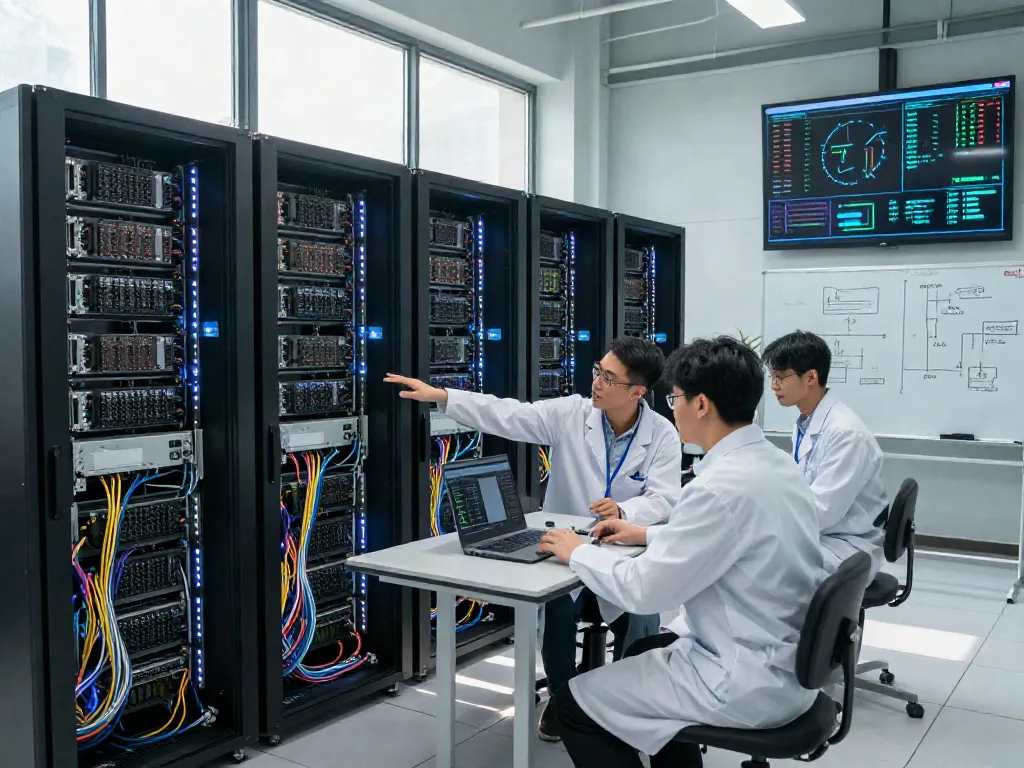
The Role of AI Data Centers in the Modern Economy
As artificial intelligence (AI) technologies rapidly evolve, the infrastructure supporting them has become crucial to their success. AI data centers serve as the backbone for these operations, providing the essential computing power and resources needed to handle complex algorithms and vast datasets. In 2026, the demand for efficient and scalable AI data centers has peaked, driven by industries ranging from healthcare to finance, all eager to leverage AI for enhanced decision-making and operational efficiency. Among the various options available, AI data center have emerged as significant players in this landscape.
Understanding AI Data Center Fundamentals
AI data centers differ from traditional data centers primarily in their operational focus and infrastructure design. They are engineered specifically to support high-performance computing tasks required for training and deploying machine learning models. This includes sophisticated setups that utilize GPUs (Graphics Processing Units) instead of CPUs (Central Processing Units), facilitating the parallel processing of large datasets.
Key components of an AI data center include:
- High-Performance Hardware: Specific hardware optimized for AI workloads, such as NVIDIA GPUs, TPUs (Tensor Processing Units), and high-speed interconnects, are fundamental.
- Efficient Cooling Systems: The heat generated by high-density computing necessitates advanced cooling solutions, including liquid cooling and AI-driven thermal management systems.
- Scalable Storage Solutions: Fast-access storage options, such as NVMe SSDs, are crucial for the high data I/O demands typical of AI applications.
The Significance of Power Allocation in AI Operations
Power management in AI data centers is a vital consideration, as these facilities typically consume substantial amounts of energy. Optimizing power usage not only reduces operational costs but also minimizes the carbon footprint associated with running AI solutions. Implementing energy-efficient designs and investing in renewable energy sources are two strategies increasingly adopted by AI center operators.
AI models require electricity constantly to perform computations. This dependence emphasizes the need for reliable power sources and innovative power management systems that can adapt to fluctuating workloads. As AI technologies continue to advance, the interplay between power resources and data center operations becomes paramount in ensuring efficiency and sustainability.
Industry Trends Shaping AI Data Centers in 2026
The AI data center landscape is experiencing transformative trends, driven by technological innovations and evolving business needs. In 2026, key industry trends include:
- Increased Adoption of Edge Computing: As companies seek to enhance real-time processing capabilities, edge AI data centers are emerging closer to data sources, minimizing latency and bandwidth issues.
- AI-Driven Infrastructure Management: Advanced monitoring tools powered by AI automate resource allocation and optimize performance, leading to lower operating costs and improved uptime.
- Sustainability Initiatives: With a growing focus on environmental impact, data center operators are implementing sustainable practices, using renewable energy sources and efficient designs to reduce greenhouse gas emissions.
Key Components of an Efficient AI Data Center
Essential Hardware for AI Workloads
The hardware choices made when building an AI data center can significantly affect its overall performance. High-performance GPUs, optimized for parallel processing, constitute the backbone of AI workloads. Additionally, TPUs have gained popularity due to their efficiency in executing specific types of machine learning operations.
Moreover, AI data centers typically integrate:
- Networking Equipment: High-speed networking equipment, including 100 Gbps Ethernet and InfiniBand, is essential for minimizing data transmission delays between servers.
- High-Storage Capacity Solutions: AI workloads often require the processing of vast quantities of data, necessitating storage solutions that provide both speed and capacity.
- Power Supply Units: Redundant and high-capacity power supply units ensure consistent electricity flow, crucial for avoiding downtime during critical operations.
Cooling Solutions: Keeping Infrastructure Operative
In the context of AI data centers, maintaining optimal temperatures is vital due to the high heat output from concentrated computing tasks. To combat heat more effectively, new cooling technologies, such as immersion cooling and AI-based monitoring systems, have been implemented. These solutions help maintain ideal operational conditions while reducing energy consumption related to cooling.
Software and Management Tools for Optimization
Alongside hardware considerations, the software running an AI data center plays a critical role in its efficiency. AI-driven management tools can monitor system performance, automatically adjusting resource allocation based on workload fluctuations. These tools not only contribute to operational efficiency but also ensure that energy consumption aligns with workload demands.
Building and Scaling an AI Data Center
Steps for Designing a High-Performance Facility
Designing a high-performance AI data center requires careful consideration of multiple factors, including location, layout, and hardware capabilities. Start with an analysis of data needs and computational requirements, which will guide hardware selection and facility design. Key design principles include:
- Modular Design: Modular facilities allow for easy upgrades and expansions, facilitating scaling to meet growing demands without the need for complete overhauls.
- Redundancy Planning: Implementing redundancy in power supplies, networking components, and cooling systems minimizes the risk of downtime.
- Security Measures: Physical security and cybersecurity measures are crucial in protecting sensitive data processed by AI systems.
Investment Considerations for New AI Data Centers
Investment in AI data centers can be substantial, encompassing initial setup costs, ongoing operational expenses, and upgrades. Potential investors should conduct thorough analyses of the market demand for AI services, anticipated technological advancements, and energy costs. Financial models should also account for the rapid evolution of AI technologies, ensuring the facility remains competitive in the long term.
Strategies for Scaling Infrastructure Based on Demand
As demand for AI services fluctuates, data center operators must develop strategies to effectively scale infrastructure without compromising performance or reliability. This may involve:
- Flexible Capacity Solutions: Leveraging cloud resources to supplement on-premises capacity during peak demand periods.
- Dynamic Resource Allocation: Using AI-driven tools to allocate resources efficiently across workloads, maximizing infrastructure utilization.
- Strategic Partnerships: Collaborating with energy providers and other tech companies can help ensure access to necessary resources and expertise.
Contributing to the AI Token Economy
The Intersection of Power and AI Token Services
The AI token economy represents a transformative shift in how AI resources are utilized and compensated. By enabling token-based models, data centers can create more flexible pricing structures and revenue-sharing opportunities. The link between power allocation and AI token services is crucial, as efficient power management directly impacts the economic viability of these token models.
Understanding Contribution Rewards in AI Infrastructures
In an AI token economy, participants receive rewards based on their contributions to the infrastructure. This system typically operates by measuring the amount of computational power and energy each participant supports during AI workloads. Consequently, participants can optimize their contributions, ensuring they maximize their potential rewards.
Case Studies: Successful AI Token Implementations
Examining successful implementations of AI token models provides insight into their viability. For instance, several companies have launched AI platforms where users can buy, sell, or trade computational power using tokens. These platforms not only generate revenue for participants but also facilitate greater access to AI technologies, democratizing AI usage.
Looking Ahead: Future Trends in AI Data Centers
Renewable Energy Use in AI Infrastructure
As sustainability becomes a foremost concern, AI data centers are increasingly incorporating renewable energy sources. This shift not only reduces operational costs associated with energy consumption but also addresses environmental challenges linked to traditional energy sources.
Technological Innovations on the Horizon
The rapid advancement of technologies such as quantum computing and more efficient AI algorithms promises to further enhance the capabilities of AI data centers. Staying abreast of these innovations will be essential for operators seeking to maintain a competitive edge.
Potential Regulatory Changes Impacting AI Data Centers
As AI technology continues to mature, regulatory frameworks will evolve, reshaping operational paradigms for AI data centers. Staying informed about potential legislative changes can help data center operators navigate compliance and ethical considerations effectively.
How are AI Data Centers Influencing Local Communities?
AI data centers can have a profound impact on local communities, often providing jobs and economic opportunities. However, they can also face opposition due to concerns about energy consumption and environmental effects. Engaging with local stakeholders and ensuring transparent communication about benefits and practices can mitigate these concerns.