The Future of Mobile Physiotherapy: Trends and Innovations
The landscape of physiotherapy is evolving rapidly, driven by technological advances and a growing recognition of the benefits of in-home care. One of the most significant trends impacting healthcare today is the increasing demand for mobile physiotherapy services in Mosman and beyond. Patients are seeking more convenient options that allow them to receive expert care from the comfort of their homes. In response to this need, physiotherapists are adapting their practices to deliver high-quality care that addresses individual patient needs while embracing modern technology. When exploring options, mobile physiotherapy Mosman provides comprehensive insights into how at-home treatment can facilitate recovery and improve quality of life.
1. Increased Demand for In-Home Treatment
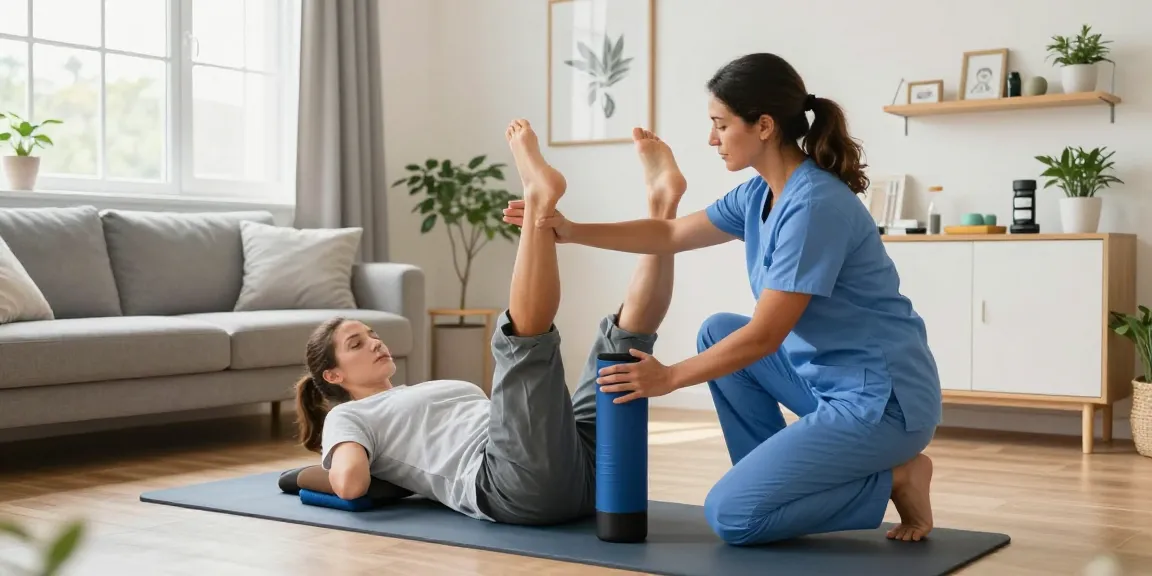
As our understanding of health and wellness evolves, so too does the expectation for personalized care. Increasingly, patients prefer treatment that is tailored to their schedules and preferences. This demand has fueled the rise of mobile physiotherapy, which enables practitioners to deliver effective treatment without requiring clients to travel. This format not only saves time but also alleviates the stress and discomfort that some patients experience in clinical settings.
2. Integration of Digital Health Tools
Innovations in technology have seamlessly integrated into physiotherapy, enhancing the patient experience. From virtual consultations to app-based exercise programs, digital health tools allow physiotherapists to track progress, provide feedback, and modify treatment plans in real-time. This dynamic integration plays a crucial role in ensuring patients remain engaged and motivated throughout their rehabilitation journey.
3. Expansion of NDIS Mobile Services
The National Disability Insurance Scheme (NDIS) is pivotal in enhancing the availability of mobile physiotherapy services for individuals with disabilities. As awareness and application of NDIS-funded therapy expands, more patients can access tailored physical therapy services within their own homes, improving both accessibility and outcomes for those requiring ongoing support.
Personalized Care Plans: Why They Matter
Personalized care plans are essential in delivering effective physiotherapy. They offer a roadmap for treatment based on the individual’s unique needs and recovery goals. By creating these tailored strategies, physiotherapists can ensure that every patient receives the specific attention and techniques required for their condition, fostering higher patient satisfaction and better therapeutic outcomes.
1. Tailored Rehabilitation Strategies
Physiotherapy is not one-size-fits-all; every patient has unique strengths, weaknesses, and preferences. Tailored rehabilitation strategies take these factors into account, leading to more effective and enjoyable treatment experiences. Personalization may include specific exercises, manual therapy techniques, and education tailored to an individual's lifestyle and condition.
2. Patient Engagement and Compliance
When patients feel that their rehabilitation plan is customized for them, they are more likely to engage with it fully and comply with the therapeutic recommendations. This heightened engagement is crucial for achieving positive health outcomes, and it empowers patients to take an active role in their recovery process.
3. Evidence-Based Treatment Approaches
Current guidelines emphasize the importance of evidence-based medicine, wherein treatment approaches are grounded in scientific research and clinical expertise. Mobile physiotherapists strive to incorporate the latest evidence into their practice, using data-driven methods that enhance the effectiveness of personal care plans.
Mobile Sports Massage: Enhancing Athletic Recovery
For athletes and active individuals, recovery is just as important as performance. Mobile sports massage offers a convenient solution for enhancing recovery outside the clinic, enabling athletes to maintain peak performance levels while minimizing recovery time.
1. Benefits for Active Individuals
The benefits of mobile sports massage extend beyond basic relaxation. It can help reduce muscle tension, alleviate soreness, and stimulate circulation, all of which are essential for optimal recovery post-exercise. Additionally, having the service provided in-home allows athletes to integrate recovery into their daily routines with minimal disruption.
2. Techniques Used in Mobile Settings
Mobile sports massage therapists are trained in various techniques tailored for athletic recovery, including deep tissue massage, myofascial release, and trigger point therapy. These methods can be readily adapted based on the athlete's needs, ensuring maximum effectiveness and comfort.
3. Bridging the Gap Between Home and Clinic
Mobile sports massage offers a flexible alternative that bridges the gap between traditional in-clinic therapy and self-care practices. Athletes can benefit from professional treatment without having to navigate the logistics of clinic visits, making recovery a seamless part of their training regimen.
Understanding Medicare and GP Management Plans
Medicare plays a significant role in facilitating access to physiotherapy services through GP Management Plans. This scheme ensures that patients can receive expert care tailored to their needs, reducing barriers to treatment.
1. Accessing Services with Medicare
Under Medicare, patients with chronic conditions may be eligible for a specific number of allied health services, which include physiotherapy. Understanding the eligibility criteria and how to access these services can improve patient outcomes by providing necessary therapies in a timely manner.
2. GP-Directed Care Coordination
GP Management Plans empower general practitioners to coordinate care among various healthcare providers. This approach ensures that physiotherapy is included as part of a comprehensive management strategy, allowing physiotherapists to collaborate effectively with GPs and other specialists to provide optimal patient care.
3. Navigating Home Visit Requirements
Patients utilizing Medicare for physiotherapy must understand the requirements surrounding home visits. This includes documentation from a referring GP and adherence to specific regulations regarding service provision. Clear communication between patients and their healthcare teams is essential for navigating these processes smoothly.
Chronic Disease Management through Mobile Physiotherapy
Chronic diseases require coordinated management strategies that integrate various health services. Mobile physiotherapy is an important component of chronic disease management, especially for patients who may have difficulty accessing traditional physiotherapy services.
1. Role of Physiotherapy in NDIS
For those enrolled in NDIS, physiotherapy can play a crucial role in supporting independence and quality of life. Tailored interventions can help individuals manage chronic conditions, improve mobility, and enhance functional abilities, ensuring a holistic approach to their care.
2. Addressing Patient Needs Holistically
Mobile physiotherapy focuses on treating the whole person rather than just a specific condition. This holistic approach considers physical, emotional, and social factors that contribute to a patient’s overall well-being. By addressing these interconnected aspects, physiotherapists can support comprehensive health improvements.
3. Future Trends in Chronic Care Management
As healthcare continues to evolve, trends such as telehealth and community-based care will shape the future of chronic disease management. The integration of mobile physiotherapy within this framework represents a proactive step toward improving patient outcomes, empowering patients, and enhancing accessibility to essential services.
FAQs
1. How does mobile physiotherapy work?
Mobile physiotherapy works by bringing skilled physiotherapists directly to patients' homes. This convenience allows for personalized treatment plans to be developed and enacted in a familiar environment, making therapy more accessible and tailored to individual needs.
2. What conditions can be treated at home with mobile physiotherapy?
Mobile physiotherapy can address a variety of conditions, including musculoskeletal injuries, post-operative rehabilitation, chronic pain management, and preventative care, ensuring comprehensive support for patients’ health journeys.
3. Is mobile physiotherapy available under NDIS or Medicare?
Yes, mobile physiotherapy is available under both NDIS and Medicare, subject to eligibility criteria and program guidelines. For more information, mobile physiotherapy Mosman offers valuable insights. Patients are encouraged to consult with their healthcare providers to understand their options and maximize their access to these valuable services.