Understanding Containerized Water Treatment Systems
In today's rapidly changing world, ensuring access to clean and potable water is more crucial than ever. As industries and municipalities expand, the demand for flexible and efficient water treatment solutions has surged. This is where Containerized water treatment systems come into play. Engineered for both reliability and portability, these systems offer a practical answer to the pressing need for safe drinking water across diverse geographies and conditions. This article delves into the innovative technology behind these systems, highlighting their benefits over traditional methods, and exploring future trends that promise to further enhance their capabilities.
What Are Containerized Water Treatment Systems?
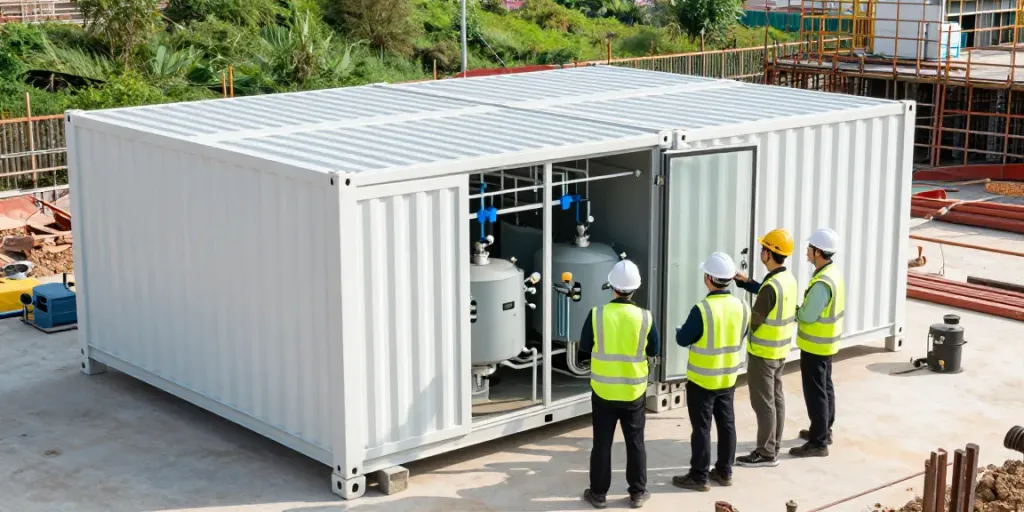
Containerized water treatment systems are prefabricated, modular units housed in shipping containers, designed for rapid deployment in various environments. These systems integrate multiple water treatment processes—such as filtration, disinfection, and desalination—into a compact form that can be easily transported and set up. They are particularly suited for temporary, emergency, or remote installations, where traditional water treatment plants would be logistically challenging or prohibitively expensive. By utilizing standardized shipping containers, these systems leverage existing global logistics to make water treatment accessible in almost any location.
Key Components and Technology Involved
Containerized systems boast a variety of advanced technologies, including:
- Reverse Osmosis (RO): A critical technology for desalination and purification, RO removes impurities from water, ensuring high-quality output.
- Ultraviolet (UV) Treatment: This method uses UV light to disinfect water, effectively eliminating harmful pathogens without the use of chemicals.
- Smart Monitoring Systems: Equipped with sensors, these systems provide real-time data on water quality and system performance, allowing for proactive maintenance and management.
With these technologies combined, containerized water treatment systems can produce safe and clean drinking water, even from challenging sources.
Modular Flexibility and Deployment Strategies
How Containerization Enhances Deployment Speed
The modular nature of containerized systems allows for rapid deployment compared to traditional water treatment facilities. Standardized designs enable factory assembly and quality control before shipping, significantly reducing on-site construction time. In many cases, containerized systems can be deployed within 3-7 days, while traditional plants often take 3-6 months to construct. This swift setup is crucial in emergencies, humanitarian aid, or regions facing acute water shortages.
Installation Challenges and Their Solutions
While containerized systems offer numerous advantages, challenges do exist. For instance, site preparation can still be required, such as leveling the ground or providing adequate power supply. However, the requirements are minimal; a flat surface is often sufficient, and many systems are designed to be operational with simple utility connections. These factors combine to allow for 50% savings in floor space and reduced civil engineering requirements.
Real-World Applications: Municipal to Industrial
Containerized systems find applications across various fields, including:
- Municipal Water Supply: Cities can deploy these systems to address short-term water needs during infrastructure developments or natural disasters.
- Industrial Use: Industries that require high-purity water, such as pharmaceuticals or electronics, benefit from the precision and reliability offered by containerized solutions.
- Remote Locations: In areas lacking traditional water infrastructure, these systems can provide much-needed access to clean water, enhancing the quality of life for residents.
Quality Monitoring and Intelligent Control
Importance of Real-Time Water Quality Monitoring
Water quality is paramount in any treatment process, and containerized systems come equipped with intelligent monitoring technologies. These systems continuously track critical parameters such as turbidity, chemical composition, and microbial levels. Real-time data enables operators to respond promptly to changes in water quality, ensuring the end product meets safety standards consistently.
Intelligent Control Systems in Action
The intelligent control systems integrated into containerized water treatment technologies allow for remote operation and diagnostics. Operators can monitor multiple units and performance metrics from a centralized location, enhancing efficiency and reducing labor costs. This capability is particularly beneficial in remote installations that lack a permanent staff presence.
Case Studies: Success Stories in High-Purity Production
One notable example of successful containerized water treatment deployment is a project in a remote mining operation where access to clean water was critical for both operational needs and for providing water to local communities. The containerized system was installed in weeks, delivering high-quality water that met the rigorous standards required for industrial processes and contributing to local health and wellbeing.
Resource Recycling and Environmental Impact
How Containerized Systems Support Resource Recycling
Containerized water treatment systems are not only efficient in their operations but also in their resource utilization. Many systems incorporate modules designed for reclaimed water reuse, facilitating a recycling rate of up to 80%. This feature is crucial in areas where water scarcity is prevalent, as it allows for sustainable management of this vital resource.
Reducing Environmental Footprint through Technology
By optimizing water treatment processes and minimizing the infrastructure required for installation, containerized systems significantly reduce the overall environmental impact. Their modular design also encourages energy efficiency, with many units utilizing solar power or other renewable sources to operate, further softening their ecological footprint.
Future Trends: Sustainable Practices in Water Treatment
Looking forward, we can expect to see ongoing advancements in containerized water treatment systems, focusing on even greater sustainability. Innovations may include more efficient renewable energy integration, enhanced materials for better durability, and AI-driven optimization of water treatment processes, aimed at maximizing efficiency while minimizing environmental impact.
Comparison with Traditional Treatment Methods
Cost-Benefit Analysis: Is It Worth It?
When evaluating the cost-effectiveness of containerized water treatment systems versus traditional methods, the advantages are clear. Initial investments are often lower, and the reduced construction time leads to quicker returns. Additionally, lower operational costs associated with maintenance and resource consumption contribute to long-term savings, making containerized solutions an attractive option for both municipal and industrial applications.
Common Misconceptions About Containerized Systems
Despite their numerous benefits, containerized systems are often misunderstood. A common misconception is that they lack the capability to deliver high-quality water consistently. However, with advanced monitoring and control technologies in place, these systems often outperform traditional setups, especially concerning adaptability and rapid deployment.
Forecast for Containerized Water Treatment Systems in 2026
As we approach 2026, the market for containerized water treatment systems is projected to expand significantly. Factors driving this growth include climate change pressures, increased urbanization, and the ongoing necessity for emergency response solutions. The systems' proven effectiveness in diverse settings positions them as a critical component in the global water treatment landscape for years to come.
What Makes Containerized Water Treatment Systems Efficient?
The efficiency of containerized water treatment systems stems from their ability to integrate advanced technologies with a compact design. Their modular nature allows for flexible scaling, enabling users to adapt the system's capacity according to demand. This capacity to swiftly respond to changing needs makes them ideal for both temporary and permanent installations.
How Do I Choose the Right Containerized System?
Choosing the right containerized water treatment system involves several considerations:
- Water Quality Requirements: Understand the specific contaminants present in the incoming water and choose a system designed to address those.
- Capacity Needs: Assess the amount of water required daily and select a system that can handle that volume with potential for future scaling.
- Site Conditions: Evaluate site accessibility and existing utilities to ensure the chosen system can be deployed effectively.
Are Containerized Systems Suitable for Remote Areas?
Absolutely! Containerized systems are particularly well-suited for remote areas due to their portability and ease of installation. Many designs are tailored for off-grid functionality, utilizing renewable energy sources like solar power to operate independently of traditional electrical grids.
What Technologies Are Used in Containerized Water Treatment?
Containerized systems employ a variety of technologies, including:
- Microfiltration and Ultrafilteration: For physical removal of particulates and bacteria.
- Reverse Osmosis: For desalination and purification.
- Advanced Oxidation Processes (AOP): For removing harmful contaminants using reactive species.
How Do Containerized Systems Impact Water Quality?
By utilizing state-of-the-art treatment technologies and real-time monitoring, containerized systems generally produce water that meets or exceeds quality standards set by health authorities. Their flexibility allows them to be tailored to specific water quality challenges, ensuring that even the most challenging sources are effectively treated.