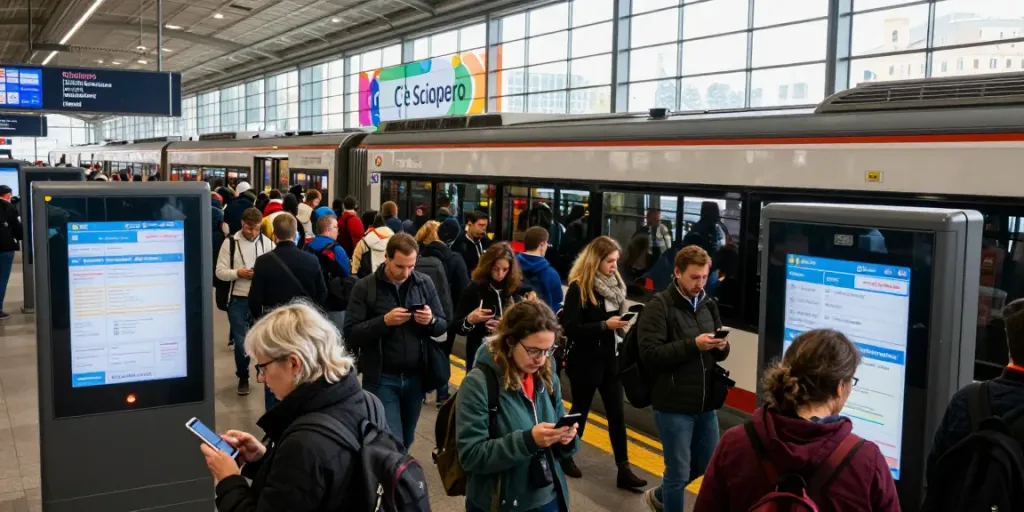
Understanding the Sciopero Landscape
The term sciopero, which translates to "strike" in English, is particularly significant in the context of Italy's transportation systems. In Italy, strikes are not uncommon and can vary in their impact on public transport, including trains, buses, and metro services. Understanding the landscape of scioperi is essential for commuters and travelers alike, especially when considering the frequency and scheduling of strikes across different regions. For those looking to stay ahead of disruptions, platforms like Sciopero provide timely notifications and insights into upcoming strikes, ensuring that users are well-prepared for their journeys.
What is Sciopero and Its Types?
In Italy, a sciopero can manifest in various forms, primarily categorized into three types: general strikes, sector-specific strikes, and local strikes. General strikes often encompass a broad range of industries, prompting widespread disruptions across multiple sectors. Sector-specific strikes are aimed at particular industries, such as public transportation or healthcare, temporarily halting operations. Local strikes, on the other hand, are limited to specific regions or cities, making them crucial for localized planning.
The Legal Framework Surrounding Strikes
Under Italian law, strikes must be announced at least 10 days in advance, which allows both workers and the public to prepare accordingly. This legal framework is designed to ensure that both employers and consumers have adequate time to make adjustments. Understanding these regulations is vital for effective travel planning and can mitigate the disruptions caused by unexpected strikes.
Reasons Behind Transportation Scioperi
The reasons for transportation scioperi in Italy are often multifaceted, ranging from labor disputes and wage negotiations to broader social and political issues. Economic factors, such as inflation or changes in government policy, may also trigger strikes. Public sentiment can play a significant role, as movements for better working conditions and enhanced public services often resonate with a wide demographic, leading to increased participation in strikes.
How to Stay Informed about Scioperi
Staying informed about scioperi is paramount for anyone reliant on public transport in Italy. The adoption of technology, particularly mobile applications, has transformed how commuters receive real-time updates on transport disruptions. Apps like Sciopero empower users with timely notifications and comprehensive details on upcoming strikes, helping them navigate their travel plans effectively.
Real-Time Notifications: The Role of Apps
Mobile applications have revolutionized the way travelers can access information about strikes. These apps provide real-time notifications directly to users’ phones, ensuring they remain informed about any changes to transport services. By leveraging technology, commuters can make informed decisions about their travel plans, minimizing the inconvenience caused by sudden disruptions.
Understanding Push Notifications and Alerts
Push notifications serve as an instant alert system, keeping users updated on relevant strikes that may affect their daily travel. By customizing these alerts based on personal preferences—such as specific regions or modes of transport—users can focus on the information that matters most to them, ultimately leading to more efficient commuting strategies.
Best Practices for Setting Up Alerts
When utilizing apps to set up alerts for scioperi, it’s important to follow certain best practices to maximize their effectiveness:
- Personalize your settings: Select specific regions and transport categories that are most relevant to your daily travels.
- Enable location services: Allow the app to access your location to receive pertinent alerts based on your proximity.
- Regularly check for updates: Review notifications frequently to stay updated on any last-minute changes.
Managing Travel Plans during Scioperi
Effective planning is essential during periods of negotiation and uncertainty associated with scioperi. Commuters and travelers need to proactively adjust their itineraries to account for possible strikes that may affect their journeys.
How to Adjust Your Itinerary Effectively?
To adjust your itinerary effectively during a sciopero, consider the following strategies:
- Have alternative routes ready: Familiarize yourself with different transport options, including local taxis, ride-sharing services, or cycling routes.
- Plan ahead: If you know a strike is coming, adjust your travel dates if possible, or leave earlier to ensure you reach your destination on time.
- Stay flexible: Be prepared to make last-minute changes based on real-time updates from your chosen transportation app.
Using Maps to Navigate Affected Areas
Having access to detailed maps can significantly ease the stress of navigating during scioperi. By understanding which areas are impacted, commuters can plan detours and avoid crowded or closed routes. Live mapping functionalities provided by transportation apps can guide users through less congested paths, improving overall travel efficiency.
Case Studies of Commuters’ Success Stories
Many commuters have successfully navigated scioperi without significant disruption by employing effective strategies. For instance, a commuter in Milan reported that by utilizing real-time updates from their transportation app, they were able to adjust their route and avoid hours of delay during a major strike, illustrating the value of preparedness and technology in crisis situations.
Regional Impact of Scioperi across Italy
The impact of scioperi can vary dramatically across Italy's diverse regions, each with its own transportation dynamics and strike patterns. Understanding these variations is key to adapting travel plans effectively.
Overview of Different Regions and Their Strike Patterns
Regions such as Lombardy and Lazio often experience higher frequencies of scioperi due to their dense populations and significant public transport networks. In contrast, more rural areas may see fewer strikes but can still be profoundly affected during those occurrences. Comprehensive understanding of a region's historical strike activity can aid effective travel planning.
Specific Challenges in Major Cities
Major cities face unique challenges during scioperi. For example, in Rome, large-scale strikes can lead to severe traffic congestion, making it difficult for commuters to find alternative transport. Knowledge of such conditions can help mitigate frustration and enhance travel planning.
Adapting to Regional Variations in Transport
To effectively navigate strike disruptions, travelers must adapt to the regional nuances of transport. This includes identifying alternative transport methods specific to each area, understanding local strike regulations, and being aware of how regional sentiments may influence labor actions in the public transport sector.
The Future of Transportation and Scioperi in 2026
Looking ahead to 2026, the landscape of public transportation in Italy, particularly concerning scioperi, is set to evolve significantly. Emerging trends and technological innovations will reshape how commuters engage with transport services.
Emerging Trends in Public Transport
As urban areas continue to grow, there is a push for more sustainable and efficient public transport systems. This shift is likely to result in an increased number of labor actions as workers advocate for improved working conditions and environmental policies. Understanding these trends is crucial for anticipating potential disruptions in service.
Technological Innovations for Commuter Awareness
Technological advancements, particularly in mobile applications and artificial intelligence, will enhance commuter awareness and engagement. Future apps may offer not only real-time updates but also predictive analytics to forecast strike occurrences based on historical data. These innovations will empower commuters to make more informed choices.
Expert Predictions and Industry Insights
Experts predict that the integration of advanced technologies will lead to a more transparent relationship between transport operators and consumers, fostering collaborative solutions to strike-related issues. Public engagement in the decision-making process regarding transport services will likely increase, leading to more constructive outcomes and fewer disruptive strikes.
What does Sciopero mean?
Sciopero is the Italian word for "strike," which represents a work stoppage initiated by employees to gain recognition for their rights or to protest against working conditions. This term encapsulates various forms of labor actions, primarily impacting public transportation services across Italy.
How can I receive notifications for upcoming strikes?
To receive timely notifications for upcoming strikes, consider downloading dedicated mobile applications that specialize in transport alerts. These apps often allow users to customize notifications based on their preferred travel routes and modes of transport, ensuring that they are always informed of any disruptions.
Are all types of transportation affected by Scioperi?
Yes, scioperi can impact all forms of public transportation, including trains, buses, metro services, and even air travel. The nature and extent of the impact often depend on the scope of the strike and the specific industries involved.
What should I do during a transportation strike?
During a transportation strike, it is essential to stay informed about the latest updates on transport services. Utilizing apps for real-time notifications and exploring alternative routes can help mitigate disruptions. Planning ahead and remaining flexible with your travel schedule can also significantly alleviate stress during these events.
How does regional variation affect my travel plans?
Regional variations can greatly influence travel plans as different areas may experience strikes at different frequencies and intensities. Understanding these regional dynamics, including historical strike patterns and local transport options, is crucial for effective travel planning.