
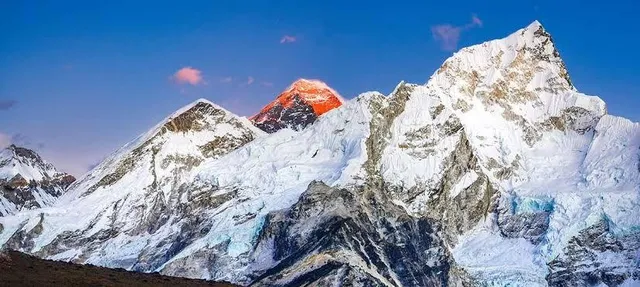
Trekking in Nepal is an unforgettable way to experience the Himalayas, traditional mountain villages, and some of the world's most spectacular landscapes. But a successful trek requires more than booking a trip and packing a pair of hiking boots. Good preparation helps you manage long walking days, changing weather, high altitude, and the simple living conditions found along many mountain trails.
Whether you are planning the Everest Base Camp Trek, the Annapurna Base Camp Trek, or the challenging Annapurna Circuit Trek, preparing in advance will make your journey safer and more enjoyable. Each route has different demands, but physical fitness, suitable equipment, altitude awareness, and a well-planned itinerary are important for all of them.
You do not need to be a professional athlete to trek in Nepal. However, you should understand the demands of your chosen route and give yourself enough time to prepare. The better prepared you are, the more energy you can spend enjoying the scenery instead of worrying about avoidable problems.
This guide explains how to prepare for a trek in Nepal, from building your fitness and choosing equipment to arranging permits, managing altitude, and planning your budget.
1. Choose the Right Trek for Your Experience
Your preparation should begin with choosing a trek that matches your fitness, available time, and interests.
Nepal offers routes ranging from short, relatively accessible hikes to demanding high-altitude adventures. The Ghorepani Poon Hill Trek is a popular option for beginners, while the Everest Base Camp Trek requires several days of walking at high altitude. The Annapurna Circuit Trek involves diverse landscapes and a challenging crossing of Thorong La Pass, which reaches approximately 5,416 meters (17,769 feet).
Before booking, consider the following:
- Duration: Check how many days you can spend trekking, including travel, acclimatization, and possible delays.
- Difficulty: Understand the daily walking hours, elevation gain, trail conditions, and highest altitude.
- Experience: Be realistic about your previous hiking experience and current fitness.
- Interests: Decide whether you prefer mountain panoramas, remote villages, cultural experiences, forests, or high mountain passes.
- Budget: Compare transportation, accommodation, meals, permits, guide services, and equipment costs.
Do not choose a trek only because it is famous or popular on social media. A route that matches your abilities and expectations will usually provide a more enjoyable experience.
2. Start Training Several Weeks Before Your Trek
Physical preparation is one of the most important parts of getting ready for a trek in Nepal. Even a moderate route can involve several consecutive days of walking, often over uneven terrain with repeated uphill and downhill sections.
Start training at least six to eight weeks before departure if possible. If you are planning a longer or more demanding trek and currently have limited fitness, allow more time.
Focus on activities that build endurance and leg strength.
Walking and hiking: Begin with comfortable walks and gradually increase the duration. If possible, practise on hills or trails with uneven surfaces.
Cardiovascular exercise: Activities such as cycling, swimming, jogging, or using a stair machine can improve your endurance.
Leg strength: Exercises such as step-ups, squats, lunges, and calf raises can help prepare your legs for climbs and descents.
Balance and stability: Simple balance exercises can help you feel more confident on rocky or uneven trails.
As your fitness improves, include longer walks on consecutive days. This helps you understand how your body responds to repeated physical effort.
Avoid increasing the intensity too quickly. Rest days are important, and you should address persistent pain before beginning your trek.
3. Practise Walking With a Backpack
Walking without a backpack feels different from walking with one, especially on steep climbs.
Before leaving for Nepal, practise carrying a daypack containing the items you expect to take on the trail. Start with a light load and gradually increase it as your training progresses.
Your daypack may contain water, snacks, a waterproof jacket, warm layers, sunscreen, personal medication, and other essentials.
Make sure the shoulder straps and hip belt fit comfortably. A properly adjusted backpack distributes weight more effectively and reduces unnecessary pressure on your shoulders.
You should also practise walking uphill and downhill with your pack. Descents can put considerable strain on your knees, so controlled steps and appropriate footwear are important.
If you plan to hire a porter, you generally will not need to carry your main luggage throughout the trek. However, you should still be comfortable carrying your daily essentials.
The aim is not to train with the heaviest possible backpack. It is to become familiar with the load you will carry and make sure your equipment fits properly.
4. Buy and Test Your Trekking Gear
Having the right equipment can make a significant difference to your comfort in Nepal's changing mountain conditions.
You do not need to buy every item before arriving. Kathmandu and other trekking hubs have shops where travelers can purchase or rent suitable equipment. However, essential items should be selected carefully and tested before your trek.
Your basic packing list should include:
- Comfortable, well-fitted trekking boots
- Moisture-wicking base layers
- Warm insulating layers
- A waterproof and windproof jacket
- Trekking trousers and spare socks
- A warm hat and gloves
- Sunglasses and high-SPF sunscreen
- A daypack with a rain cover
- A headlamp with spare batteries
- A reusable water bottle
- A sleeping bag suitable for the expected temperatures, if needed
- Personal medication and basic first-aid supplies
Choose clothing that can be layered. Conditions in lower villages may be mild during the day, while mornings and evenings at high elevations can be extremely cold.
Break in your boots before departure. New boots can cause blisters, especially during long walking days.
Test your backpack, rain protection, and other essential equipment during training walks. Discovering an uncomfortable strap or faulty jacket before the trek is much easier than dealing with it on the trail.
5. Learn About Altitude and Acclimatization
High altitude is one of the biggest challenges of trekking in Nepal.
As you climb higher, the available oxygen decreases. Your body needs time to adjust, and being physically fit does not guarantee that you will avoid altitude sickness.
Before your trek, learn about the symptoms of altitude-related illness. Common early symptoms can include headache, nausea, dizziness, unusual tiredness, and loss of appetite.
A safe itinerary should allow gradual ascent and appropriate acclimatization days. Popular high-altitude routes often include additional nights in places such as Namche Bazaar on the Everest route or Manang on the Annapurna Circuit.
During acclimatization days, your itinerary may include a hike to a higher elevation before returning to sleep lower down. Follow your guide's advice and avoid pushing yourself too hard.
Drink fluids regularly, eat enough, and walk at a pace that allows you to manage your breathing comfortably. Avoid alcohol, especially as you gain altitude.
Never ignore worsening symptoms. Confusion, difficulty walking straight, or breathlessness at rest can indicate a serious emergency. These symptoms require urgent medical attention and descent when appropriate.
Do not continue climbing simply because your itinerary says you should. Your health must take priority over reaching the next destination.
6. Choose the Right Trekking Season
The weather can affect everything from trail conditions and mountain views to transportation and accommodation availability.
Spring, generally from March to May, is a popular season for trekking in Nepal. Temperatures often become more comfortable, rhododendrons bloom in many regions, and mountain scenery can be spectacular.
Autumn, generally from September to November, is another major trekking season. The monsoon rains often leave the air clearer, although weather conditions vary from year to year.
Winter can bring cold temperatures, snow, and difficult conditions at higher elevations. Some high passes may become inaccessible.
The monsoon season, usually from June to August, brings rain, clouds, muddy trails, and an increased risk of landslides in some areas. However, certain rain-shadow regions, including Upper Mustang, can be more suitable during this period.
The best season depends on your chosen route. Check current local conditions before departure and avoid assuming that every region experiences the same weather.
7. Arrange Permits, Guides, and Transportation
Before arriving in Nepal, confirm which permits and arrangements are required for your chosen route.
Permit requirements vary by trekking region. Some routes require conservation-area or national-park permits, while restricted areas have additional requirements.
For example, the Manaslu region and Upper Mustang have specific permit rules. Requirements can also change, so check the current regulations through an authorized trekking agency or the relevant Nepalese authorities.
Some routes require a licensed guide and arrangements through a registered agency under applicable regulations. Even where requirements differ, a knowledgeable local guide can help with navigation, cultural understanding, daily logistics, and recognizing potential health problems.
Plan your transportation to the trailhead in advance. Depending on the trek, you may need a domestic flight, private vehicle, or public transport.
Allow some flexibility for delays, particularly when your itinerary depends on flights to mountain airstrips. Weather-related disruptions are possible, and a small buffer before an international departure can reduce stress.
Confirm what your trekking package includes, such as permits, accommodation, meals, guide services, porter support, and transportation.
8. Prepare Your Budget
Your trekking budget should cover more than the advertised package price.
Consider international flights, accommodation in Kathmandu or Pokhara, transportation to and from the trailhead, trekking permits, meals, guide and porter services, equipment rental, insurance, and personal expenses.
Costs vary according to the destination, itinerary, group size, accommodation standard, and level of service.
You should also carry enough local currency for expenses along the trail. Some teahouses may charge separately for hot showers, device charging, snacks, or other services. Card payments and reliable ATMs may be limited in remote areas.
Ask your trekking company for a clear breakdown of what is included and excluded. This helps you compare packages accurately and avoid unexpected expenses.
Keep some extra money available for emergencies, itinerary changes, or transportation delays.
A realistic budget allows you to focus on the trek rather than worrying about every additional expense.
9. Eat Well and Stay Hydrated Before and During the Trek
You do not need a special diet to prepare for trekking, but eating balanced meals and staying active can support your training.
Include carbohydrates for energy, protein to support muscle recovery, and a variety of fruits and vegetables. Get enough sleep and drink water regularly.
During the trek, eat meals consistently rather than skipping food because you are busy walking. Foods such as rice, potatoes, noodles, porridge, eggs, and dal bhat are common along Nepal's trekking routes.
Carry snacks for longer walking days. Nuts, dried fruit, and energy bars can be useful when you need a quick source of energy.
Use safe drinking water. Treat water with an appropriate purification method or obtain properly treated drinking water from reliable sources.
Your appetite may decrease at higher elevations, but try to eat enough to maintain your energy. If you feel persistently unwell or develop symptoms of altitude sickness, tell your guide instead of assuming that you are simply tired.
10. Prepare Mentally and Pack Smartly
Trekking in Nepal can be rewarding, but not every day will go according to plan.
You may experience cold mornings, long climbs, basic accommodation, limited connectivity, or changes to your itinerary because of weather. Preparing mentally for these realities can help you remain flexible.
Set realistic expectations. You do not need to walk the fastest or reach every viewpoint to have a successful trek.
Pack according to your route and the season. Avoid taking unnecessary items that add weight without improving safety or comfort.
Keep important documents, cash, medication, and valuables secure. Store a copy of your travel documents separately from the originals.
Share your itinerary with someone you trust and make sure you understand your travel insurance coverage. Confirm that it includes trekking at your intended altitude and emergency evacuation if required.
Finally, respect local customs and the natural environment. Follow trail guidance, avoid leaving rubbish behind, and ask permission before photographing people or entering religious spaces.
Conclusion
Preparing for a trek in Nepal involves more than getting physically fit. You need to choose the right route, train your body, test your equipment, understand altitude risks, arrange permits, and plan your budget.
Start preparing several weeks in advance and give yourself enough time to build endurance gradually. Choose an itinerary that matches your experience, and never sacrifice acclimatization simply to finish faster.
Most importantly, stay flexible. Mountain weather and trail conditions can change, and the safest plan is one that allows you to adapt.
With thoughtful preparation and realistic expectations, you can spend less time dealing with avoidable problems and more time enjoying Nepal's mountain scenery, welcoming communities, and unforgettable trekking experiences.