Understanding Lung Cancer Treatment Options
Lung cancer is one of the most prevalent and deadly cancers worldwide, presenting a significant challenge for patients and healthcare providers alike. Effective management of this disease depends on understanding its various types, the treatment modalities available, and the role of a multidisciplinary approach to care. This article provides an in-depth exploration of lung cancer treatment, highlighting innovative techniques, the importance of personalized patient plans, and the collaborative efforts of specialists involved in the diagnosis and treatment of this complex condition. When exploring options, Lung cancer treatment at specialized centers can offer the latest advancements in care.
Overview of Lung Cancer Types and Their Treatments
Lung cancer primarily falls into two main categories: Non-Small Cell Lung Cancer (NSCLC) and Small Cell Lung Cancer (SCLC). Understanding the differences between these types is crucial for determining the appropriate treatment strategy:
- Non-Small Cell Lung Cancer (NSCLC): This is the most common type, accounting for approximately 85% of lung cancer cases. NSCLC is further divided into several subtypes, including adenocarcinoma, squamous cell carcinoma, and large cell carcinoma. Treatment options typically include surgery, chemotherapy, radiation therapy, targeted therapy, and immunotherapy.
- Small Cell Lung Cancer (SCLC): SCLC represents about 15% of lung cancer cases and is known for its aggressive nature. This type is often treated with chemotherapy and radiation therapy, as it tends to spread quickly and may not be suitable for surgery at diagnosis.
Initial Steps in Lung Cancer Treatment Planning
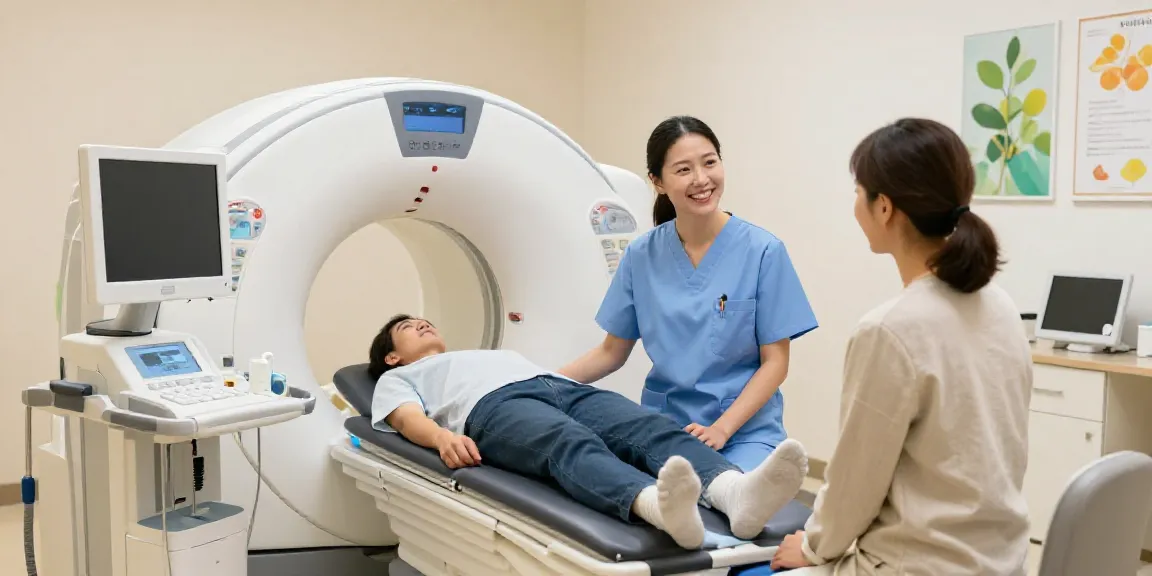
Patients diagnosed with lung cancer undergo a thorough evaluation to determine the cancer's type, stage, and overall health condition. The initial steps in treatment planning often include imaging tests like X-rays, CT scans, and possibly PET scans. These tests help healthcare providers understand the extent of the disease and guide treatment decisions.
Importance of Personalized Treatment Plans
Each lung cancer case is unique, warranting a personalized approach to treatment. Factors such as the cancer type, stage, patient's general health, and preferences significantly influence treatment decisions. A tailored treatment plan optimizes efficacy and aligns with the patient's lifestyle and goals.
Latest Innovations in Lung Cancer Treatment
Advancements in medical technology and research have drastically improved lung cancer treatment outcomes, making early detection and personalized therapy more achievable. Innovative approaches include minimally invasive surgical techniques and novel therapies that target cancer more effectively while minimizing side effects.
Advanced Techniques in Surgical Management
Minimally invasive surgical techniques, such as video-assisted thoracoscopic surgery (VATS) and robotic-assisted surgery, have transformed the surgical management of lung cancer. These methods allow for smaller incisions, reduced pain, shorter hospital stays, and quicker recovery times, particularly beneficial for patients facing surgery for tumor removal.
Emerging Therapies: Immunotherapy and Targeted Therapy
Immunotherapy has emerged as a groundbreaking treatment for lung cancer, utilizing the body's immune system to target and destroy cancer cells. Similarly, targeted therapy focuses on specific genetic mutations within cancer cells, offering a more tailored approach to treatment. Both therapies have shown promise in improving survival rates and managing disease progression.
The Role of Clinical Trials in Lung Cancer Treatment
Clinical trials play an essential role in the ongoing evolution of lung cancer treatment. Patients have the opportunity to access innovative therapies and treatments that are not yet widely available. Participating in clinical trials often provides access to new drugs or combinations of treatments that could lead to better outcomes.
Multidisciplinary Approach to Lung Cancer Care
A comprehensive approach to lung cancer treatment involves a multidisciplinary team of specialists, ensuring that all aspects of a patient’s health are addressed. This collaborative effort is crucial in optimizing treatment efficacy and improving patient quality of life.
Collaboration Between Oncologists and Other Specialists
The lung cancer program at leading institutions typically involves collaboration among surgical oncologists, medical oncologists, radiation oncologists, and pulmonologists. This teamwork allows for the integration of various treatment modalities tailored to the specific needs of each patient.
The Importance of Nursing and Support Staff in Treatment
Nurses and support staff are integral to the lung cancer treatment process, providing essential care, education, and emotional support to patients. Their roles extend beyond clinical duties, ensuring that patients feel comfortable and informed throughout their treatment journey.
Integrated Services for Holistic Patient Care
Comprehensive lung cancer care goes beyond just treating the disease. Integrated services, including nutritional counseling, psychological support, and palliative care, are vital to addressing the full spectrum of patient needs. Such holistic care aims to improve the overall well-being and quality of life of patients and their families.
Symptoms, Diagnosis, and Early Detection of Lung Cancer
Understanding the symptoms and the importance of early diagnosis significantly impacts the prognosis of lung cancer. Awareness of common signs can lead to earlier detection and more effective treatment options.
Common Symptoms Associated with Lung Cancer
Symptoms of lung cancer can be vague and may include:
- Persistent cough that worsens over time
- Shortness of breath
- Chest pain that may worsen with deep breathing, coughing, or laughing
- Unexplained weight loss
- Fatigue
Diagnostic Tests: What to Expect
If lung cancer is suspected, various diagnostic tests are utilized, including imaging tests, biopsies, and blood tests. These assessments help confirm the diagnosis, determine the cancer stage, and inform treatment planning. Non-invasive procedures are often preferred to minimize patient discomfort.
Screening Recommendations for High-Risk Patients
Screening for lung cancer is particularly recommended for individuals at high risk, such as those with a history of heavy smoking or exposure to environmental toxins. Low-dose CT scans are the preferred method for screening, as they are effective in detecting lung cancers at an early stage.
Patient Support and Resources
A lung cancer diagnosis can be overwhelming; however, support systems and resources are crucial in helping patients navigate their treatment journey. Understanding available assistance can improve patient outcomes and well-being.
Coping with a Lung Cancer Diagnosis: Psychological Support
Psychological support is an essential part of lung cancer care. Counseling services, support groups, and mental health programs are offered to help patients and their families cope with the emotional burden of a cancer diagnosis. This support can significantly enhance their quality of life.
Financial Assistance and Insurance Options
Navigating the financial aspects of lung cancer treatment can be daunting. Many healthcare institutions provide financial counseling to help patients understand their insurance coverage and locate financial assistance programs that can help manage treatment costs.
Patient Stories: Inspirational Recovery Journeys
Hearing from other patients who have successfully navigated their cancer journeys can be inspiring and empowering. Patient stories provide hope and insight into various treatment options and coping strategies, reminding others that they are not alone in their fight against lung cancer.