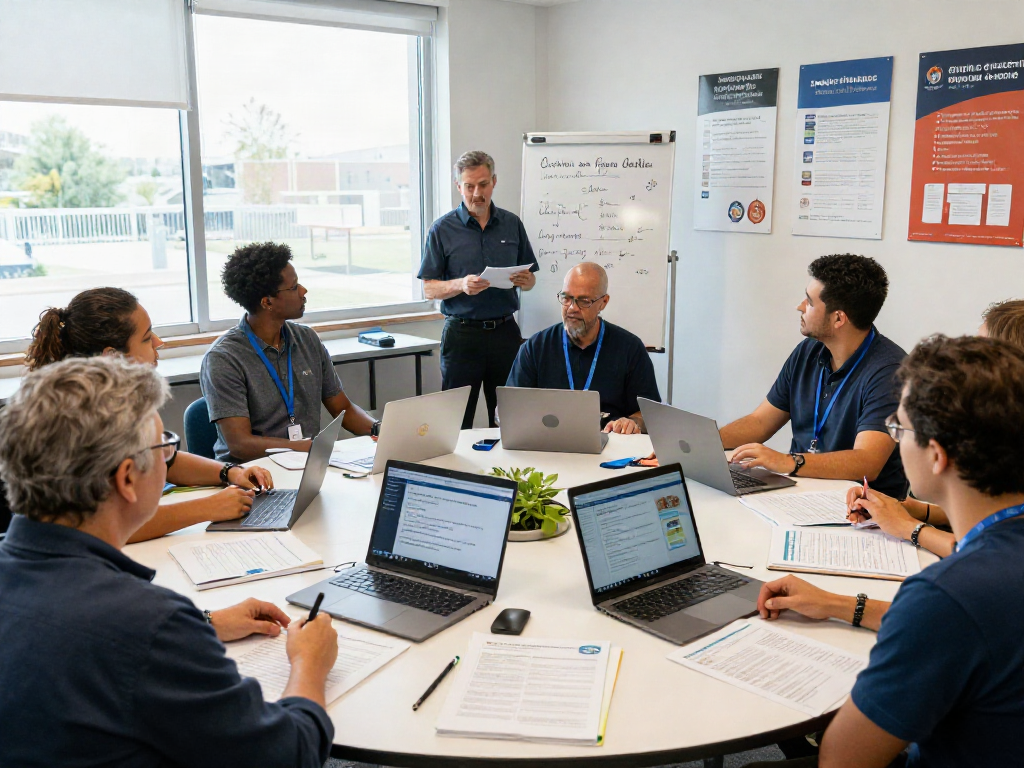
Understanding the Job Landscape in 2026
The job market is continuously evolving, and as we transition towards 2026, job seekers must stay informed and adaptable to the changing landscape. The rise of technology, shifting employer expectations, and a focus on skills over traditional qualifications are reshaping how individuals approach their career paths. Understanding these changes is crucial for anyone looking to successfully navigate their job search, particularly in a competitive environment. When exploring options, หางาน provides comprehensive insights into the latest trends and opportunities available.
Current Trends in Job Searching
In recent years, job searching has transformed dramatically, influenced heavily by technology and social media. Applicants are no longer confined to traditional job boards; they can now leverage platforms like LinkedIn, Indeed, and specialized job portals tailored to their industries. Moreover, the trend towards remote work has opened up new avenues for job seekers to explore positions beyond their immediate geographical locations. As remote and hybrid work models become commonplace, flexibility and the ability to work independently have become essential attributes for candidates.
The Impact of Technology on Employment Opportunities
Artificial intelligence (AI) and automation continue to reshape industries by streamlining processes and creating new job roles. Industries such as healthcare, finance, and manufacturing are experiencing a shift that emphasizes tech-oriented skills. Positions that may not have existed a decade ago are emerging, requiring a new set of competencies that align with technological advancements. Job seekers must embrace continuous learning and upskilling to remain competitive in this dynamic job market.
Understanding Employer Expectations
Employers today are increasingly looking for candidates who not only meet specific qualifications but also possess soft skills like communication, problem-solving, and adaptability. The focus is on hiring individuals who can thrive in a collaborative and fast-paced environment, capable of adjusting to changes quickly. As companies move towards a more remote workforce, demonstrating the ability to work independently while being a team player is crucial. Understanding these expectations can give job seekers a significant advantage in their applications and interviews.
Effective Job Search Strategies
A successful job search combines strategic planning, effective networking, and personal branding. By implementing targeted strategies, candidates can significantly improve their chances of landing their desired roles. Below are some key strategies to consider when embarking on your job search journey:
Leveraging Online Job Portals for หางาน
Online job portals are invaluable resources for job seekers. Platforms like JobThai, JobBKK, and others have made it easier than ever to find a wide array of job listings in a centralized location. By setting up alerts and utilizing filters based on skills, experience, and location, candidates can stay ahead of the game and apply as soon as new opportunities arise. Additionally, many sites offer features like resume builders and application tracking, aiding job seekers in organizing their search efforts efficiently.
Networking: The Key to Finding Hidden Opportunities
Networking remains one of the most powerful tools in a job search. Building and maintaining professional relationships can open doors to unadvertised positions and valuable industry insights. Attend industry events, join professional associations, and engage with peers through platforms like LinkedIn. When networking, aim to provide value to others, and don't hesitate to ask for advice or assistance when needed. Remember, networking is a two-way street; offer help as well as seek it.
Creating a Standout Resume and Cover Letter
Your resume and cover letter are often the first impressions you make on potential employers. Tailor these documents to reflect the job description, emphasizing relevant skills and experiences that match the position. Use action verbs, quantifiable achievements, and a professional format to ensure clarity and impact. A personalized approach, addressing the specific company and role, shows genuine interest and increases your chances of getting noticed.
Preparing for Job Interviews
Once you secure an interview, your focus shifts to preparation. Understanding how to navigate the interview process can set you apart from other candidates. Here are some essential strategies to consider prior to your interviews:
Common Interview Questions and How to Answer
Preparation is key when it comes to interviews. Familiarize yourself with common questions such as "Tell me about yourself" or "What are your strengths and weaknesses?" Craft responses that highlight your skills and experiences while also reflecting on how they relate to the role. Practice articulating your answers clearly and confidently to leave a lasting impression.
Researching Companies: Building Knowledge and Confidence
Prior to your interview, invest time in researching the company. Understand its mission, values, culture, and recent developments. This knowledge not only boosts your confidence but also allows you to tailor your questions and responses during the interview. Recruiters appreciate candidates who demonstrate a vested interest in the company beyond just the position they are applying for.
Presentation Skills: Making a Lasting Impression
Your presentation during an interview significantly impacts the interviewer's perception. Dress appropriately for the company culture, maintain eye contact, and practice good body language. The way you convey your thoughts matters just as much as what you are saying. Being articulate, enthusiastic, and authentic can help you stand out in a crowded field of candidates.
Making the Most of Job Offers
Receiving a job offer is an exciting moment, but it’s important to evaluate it thoroughly before making a decision. Here are several considerations to keep in mind:
Evaluating Compensation Packages
When reviewing a job offer, look beyond the salary. Consider the entire compensation package, including benefits, bonuses, stock options, and retirement plans. Understanding the total value of an offer can help you make a more informed decision and negotiate better if necessary. Don’t hesitate to ask for clarification on components of the offer that are unclear.
Negotiation Tactics for Better Offers
Negotiation is an expected part of the hiring process. Approach it with confidence and a clear understanding of your value. Be prepared to discuss your credentials and research comparable salaries in your industry. Negotiating with professionalism and respect can often lead to better offers, whether in terms of salary or additional benefits.
Accepting or Declining Job Offers Professionally
Whether you choose to accept or decline a job offer, do so graciously. If accepting, express your gratitude and enthusiasm. If declining, thank the employer for the opportunity, and provide a brief reason if appropriate. Maintaining professionalism in your communications keeps the door open for future opportunities.
Future-Proofing Your Career
As the job market continues to evolve, it's essential to stay ahead of the curve. Future-proofing your career involves a proactive approach to skill development and adaptability. Here are critical strategies for long-term career success:
Continued Education and Skill Development
Investing in your education is vital in an ever-changing job landscape. Keep your skills relevant by participating in workshops, online courses, and certifications related to your field. Continuous improvement not only enhances your capabilities but also increases your marketability to employers.
Adapting to Industry Changes and Innovations
Stay informed about trends and innovations in your industry. Subscribe to relevant publications, attend conferences, and join forums related to your profession. Being aware of new technologies and methodologies equips you to adapt swiftly and remain a valuable asset in your organization.
Building a Personal Brand for Long-term Success
Your personal brand is how you present yourself to the world, especially in your professional life. Develop a strong online presence through platforms like LinkedIn by showcasing your achievements, contributions, and professional experiences. A well-curated personal brand can significantly enhance your job prospects and professional reputation.
What to Expect from the Job Market in 2026?
As we move towards 2026, we can anticipate a job market that increasingly values flexibility, technological prowess, and soft skills. Industries will continue to evolve, requiring professionals who can adapt and innovate. Job seekers should stay alert to shifts in demand for skills and be prepared to re-skill as necessary. The emphasis will be on candidates who can demonstrate a blend of technical capability and interpersonal effectiveness.
How to Stay Motivated During Your Job Search?
Job searching can be a challenging process, often filled with ups and downs. Set realistic goals, and treat your job search like a job itself by establishing a routine. Surround yourself with supportive peers and mentors who can offer encouragement and guidance. Celebrate small wins, whether it’s securing an interview or making a new connection.
What Are the Benefits of Networking in Job Searching?
Networking can provide numerous advantages during a job search. It opens opportunities that may not be publicly advertised and gives you insights into company cultures and hiring processes. Additionally, networking allows you to build relationships that can support your career development over time, providing access to mentors and collaborators.
How Important Is It to Tailor Your Resume for Each Application?
Tailoring your resume for each application significantly enhances your chances of standing out to employers. A customized resume speaks directly to the job description, highlighting the most relevant experiences and skills. This approach demonstrates your genuine interest in the position and can increase the likelihood of getting an interview.
What Should You Do After an Interview?
Following an interview, it's essential to send a thank-you note to express your appreciation for the opportunity. This gesture reinforces your interest in the position and keeps you top-of-mind for the interviewer. Use this communication to address any points discussed during the interview or to clarify any outstanding questions you may have.