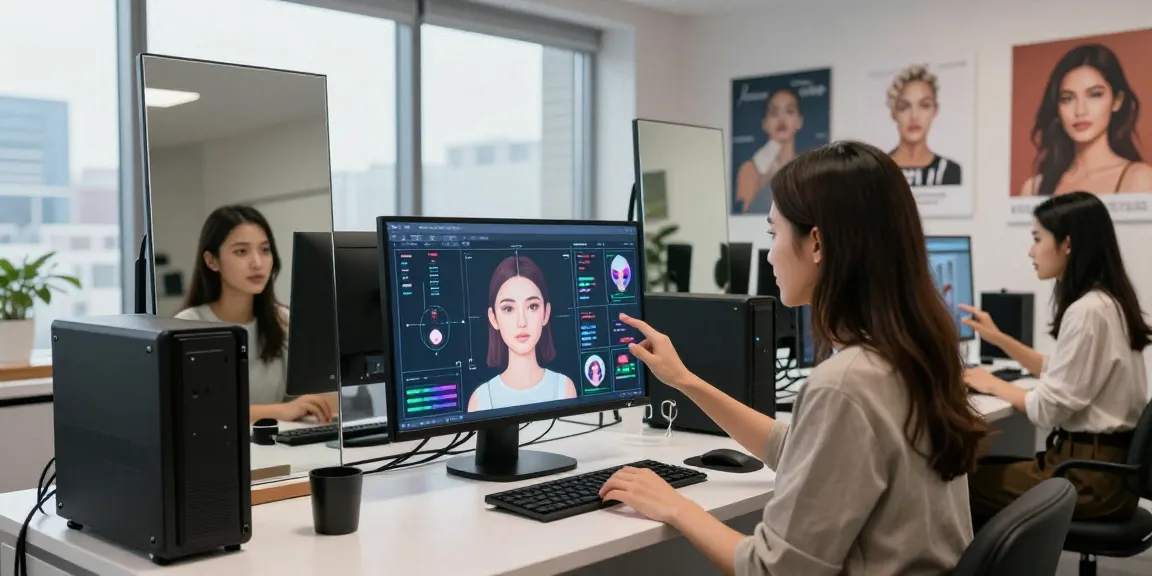
Understanding Attractiveness Tests
Attractiveness tests have become an intriguing part of modern self-assessment, particularly with the rise of AI technology. These evaluations aim to measure an individual's facial appeal based on various criteria that align with common perceptions of beauty. For those curious about their own attractiveness, options are increasingly available online to test attractiveness through simple photo uploads. This article explores the intricacies of these tests, shedding light on how they function, their benefits, challenges, and what the future holds for beauty assessments.
What is an Attractiveness Test?
An attractiveness test is a digital tool designed to evaluate an individual’s facial features based on algorithmic assessments. The primary goal is to provide a score that reflects perceived beauty. These tests utilize metrics such as facial symmetry, the golden ratio, and overall proportions to generate an attractiveness score that is often presented on a scale from 1 to 10 or 0 to 100. As these tests gain popularity, they serve a dual purpose: offering entertainment and providing users with a subjective insight into how they might be perceived by others.
How Attractiveness Tests Work
Attractiveness testing typically employs artificial intelligence (AI) and machine learning algorithms. When a user uploads a photo, the system analyzes various facial dimensions. The algorithms assess features such as:
- Facial Symmetry: Many studies suggest that symmetrical faces are often deemed more attractive.
- Golden Ratio: This mathematical ratio, roughly 1.618, is often used in art and architecture and is believed to define beauty standards.
- Canthal Tilt: This is the angle at which the outer corner of the eye sits in relation to the inner corner, which can impact perceived attractiveness.
- Facial Structure: The shape of the jawline, cheekbones, and forehead are also evaluated.
After the analysis, users receive a score and sometimes additional feedback on their facial structure's perceived appeal, which can make the results even more engaging.
Key Metrics Used in Attractiveness Evaluation
Several key metrics form the basis of attractiveness evaluations. These metrics include:
- Proportions: The relative shape and size of facial features, such as the distance between the eyes and the width of the face.
- Facial Features: Eye color, skin tone, and other individual characteristics add depth to how beauty is assessed.
- Emotional Expression: The ability of a face to convey warmth or approachability can significantly influence attractiveness ratings.
Benefits of Testing Attractiveness
While the notion of testing one's attractiveness may seem superficial, several benefits are associated with these tests.
Boosting Self-Confidence and Image
One of the primary benefits of an attractiveness test is the potential boost to self-confidence. For many individuals, understanding how they rate on an attractiveness scale can provide validation and encourage self-acceptance. Knowing one's perceived strengths can foster a more positive self-image, enabling people to embrace their unique features rather than conforming to societal beauty standards.
Understanding Beauty Standards in 2026
As we advance into 2026, beauty standards continue to evolve in response to cultural shifts and the influence of social media. Attractiveness tests offer a lens through which individuals can understand contemporary beauty benchmarks. With the rise of diversity in representation, these tests can sometimes highlight or challenge conventional notions of beauty, encouraging users to appreciate a range of aesthetic ideals.
Using Results for Personal Development
Many users choose to use the feedback from attractiveness tests not just as a score but as a tool for personal development. The insights gained can inspire positive changes, such as adopting new grooming or style choices. This proactive approach transforms the test into a stepping stone towards greater self-improvement and personal growth.
Challenges in Attractiveness Testing
Despite their growing popularity, attractiveness tests are not without their challenges and limitations.
Misconceptions About AI Attractiveness Scores
One major misconception is that the scores generated by AI models represent an absolute measure of beauty. In reality, these scores are highly subjective and cannot account for individual preferences or cultural variations. Beauty is often in the eye of the beholder, and a single score can oversimplify the richness of human attractiveness.
Privacy Concerns with Image Uploads
Privacy remains a significant concern with attractiveness tests. Users must upload their images, which raises questions about data security and potential misuse. It's critical for platforms to establish transparent data protection policies and ensure users feel safe when sharing personal images.
Limitations of AI in Beauty Assessment
AI technology, while advanced, is still limited in its ability to replicate human judgment. Factors such as personality, vibrancy, and context play essential roles in attractiveness but are often neglected by static algorithms. Consequently, an AI-driven score may not encapsulate an individual's full appeal.
Best Practices for Testing Attractiveness
For those considering an attractiveness test, adopting best practices can enhance the experience and make the results more meaningful.
Choosing the Right Platform for Accuracy
Selecting a reputable platform is essential for accurate results. Users should look for sites that utilize advanced algorithms and offer transparent analysis methods. Reviews and user feedback can provide insight into the reliability of different services.
Interpreting Your Attractiveness Score
When interpreting scores, it’s crucial to approach the results with an open mind. Understand that they are not definitive judgments on worth or desirability. Instead, they should serve as a guiding framework for self-reflection and improvement.
Tips for Enhancing Your Features Based on Feedback
Feedback from an attractiveness test can inspire practical improvements. Users might consider:
- Skincare Routines: Healthy skin can enhance overall facial appeal.
- Makeup Techniques: Learning how to accentuate one's features can positively impact perceived attractiveness.
- Hairstyles: Experimenting with different hairstyles can significantly alter one's look and boost confidence.
The Future of Attractiveness Testing
The landscape of attractiveness testing is likely to evolve significantly over the next few years, influenced by technological advancements and cultural shifts.
Emerging Trends in AI Beauty Analysis
As AI continues to improve, new trends will emerge, possibly incorporating a wider array of data points, such as emotional expressiveness or cultural preferences. This may lead to more holistic evaluations of attractiveness that go beyond mere physical attributes.
Personalization in Attractiveness Measurements
Future tools may provide highly personalized feedback tailored to individual aesthetics rather than generalized beauty standards. This could allow users to receive recommendations that resonate more deeply with their personal styles and identities.
Predictions for Attractiveness Testing Tools in 2026
By 2026, we may see a convergence of AI-assisted beauty evaluation with augmented reality (AR) technologies, allowing users to visualize enhancements in real-time before making changes. Moreover, social media integration may enable communities to share insights and support based on attractiveness assessments.
What Are the Risks Involved?
As the popularity of attractiveness tests rises, so too do the potential risks, including increased self-consciousness and societal pressure. Users must navigate these challenges carefully, ensuring they use tests as tools for empowerment rather than sources of insecurity.
Can AI Replace Human Judgment in Beauty?
While AI can provide fascinating insights and assessments, it cannot completely replace human judgment in beauty. The emotional, cultural, and contextual nuances of attractiveness are complex and multi-faceted, making human perspective invaluable. AI should enhance our understanding of beauty, not dictate it.