Understanding the Basics of Improv
Improv, short for improvisational theatre, is a dynamic art form that encapsulates spontaneity and creativity. In a beginner improv class, participants learn the essential skills to think on their feet and respond in real-time, fostering an environment where creativity flourishes. Improv isn’t merely a performance art; it’s a versatile skill set that offers individuals the ability to adapt to changing circumstances, enhance interactions, and build deeper connections with others. When exploring options, a beginner improv class provides comprehensive insights into the world of improvisation and prepares newcomers for a journey of self-discovery.
What Is Improv and Why It Matters?
Improv is the act of creating scenes, characters, and dialogues spontaneously without a scripted framework. This art form plays a crucial role in various contexts, from theatrical performances to corporate team-building exercises. In a world increasingly driven by structured communication and planned interactions, improv encourages freedom of expression and adaptability. Understanding improv's core tenets can radically shift how individuals communicate and collaborate, making it an invaluable tool in both personal and professional realms.
Core Principles of Beginner Improv Classes
- Yes, and...: This foundational principle encourages participants to accept and build upon their partners' ideas, fostering a collaborative atmosphere.
- Listening: Improv emphasizes active listening; being attuned to what others are saying is essential for creating engaging scenes.
- Trust: Building trust among participants helps cultivate a safe space where individuals feel comfortable taking risks.
- Embrace Failure: Mistakes are part of the learning process in improv; acknowledging and embracing them leads to growth and creativity.
Common Misconceptions About Improv
Many individuals assume that improv is solely for gifted performers or comedians. However, this is a misconception. Improv is accessible to everyone, regardless of experience level or natural talent. Another common belief is that improv requires a deep understanding of comedy, which can deter many from joining. In reality, the skills acquired in a beginner improv class are universally beneficial, enhancing communication and spontaneity in everyday life.
Benefits of Joining a Beginner Improv Class
Participating in a beginner improv class opens doors to numerous personal and professional benefits. The transformative nature of improv enriches not only one's performance skills but also enhances essential life skills that are valuable in myriad situations.
Enhancing Communication Skills Through Improv
Effective communication is the backbone of successful interactions, whether in personal relationships or professional environments. Improv trains individuals to articulate their thoughts clearly and respond to others with agility. Through various exercises, participants practice articulating ideas succinctly while remaining open to collaboration and input from others.
Building Confidence and Overcoming Anxiety
One of the most significant benefits of improv is its ability to boost confidence. Many individuals enter a beginner improv class with fears of judgment or inadequacy. However, the supportive atmosphere encourages participants to step outside their comfort zones. Over time, this process helps reduce anxiety levels, making individuals more self-assured both on and off the stage.
Fostering Creativity in Everyday Life
Improv isn’t just for the stage; the creative thinking skills developed in a beginner improv class can significantly influence daily life. Participants learn to approach problems with an open mind, explore unconventional solutions, and embrace the unexpected. This newfound creativity extends into various aspects of life, including work projects, personal endeavors, and recreational activities.
What to Expect in Your First Improv Class
For newcomers, stepping into an improv class can feel daunting. Understanding what to expect can ease the transition and enhance the overall experience.
Typical Structure and Activities in Beginner Classes
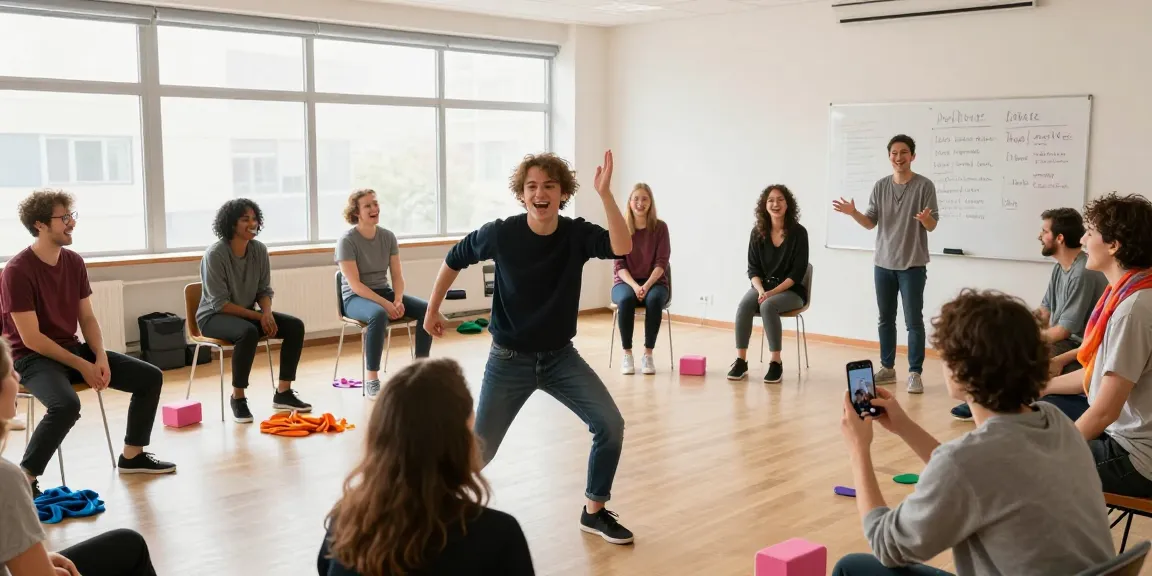
Most beginner improv classes start with warm-up exercises designed to loosen participants and foster group dynamics. Activities may include name games, physical warm-ups, and short scene work to gradually build confidence. As the class progresses, participants will engage in various improvisational games that focus on the core principles of improv.
How to Approach Exercises as a Newcomer
Approaching improv exercises with an open mind and willingness to learn is crucial. Embracing vulnerability and understanding that mistakes are a natural part of the learning process will enhance the experience. Remember, every participant is there to grow and support one another, creating a collaborative learning environment.
Finding the Right Class for Your Needs
Not all improv classes are created equal. It’s essential to find one that aligns with your goals—whether you’re looking to improve public speaking skills, explore creativity, or connect with others. Research local options, read reviews, and consider what specific benefits you hope to gain from the experience.
Tips for Succeeding in Improv
Success in improv relies not solely on talent but on a mindset that embraces learning and community-building. Here are some tips to help you thrive.
Embracing Mistakes as Learning Opportunities
As mentioned earlier, mistakes are part of the improv experience. Acknowledging them and viewing them as opportunities for growth can help alleviate pressure and enhance creativity. When you learn to laugh at your own missteps, you become more adaptable and resilient.
Practicing Listening and Adapting
Improvisation is about collaboration and responsiveness. Improving your listening skills allows you to adapt to the dynamics of a scene. The more you practice listening, the better you'll become at responding in ways that enhance the performance.
Engaging with Fellow Participants and Building Community
Improv is inherently collaborative. Engaging with classmates, providing encouragement, and fostering a sense of community can enhance the overall experience. Building relationships with fellow participants can help create a more inviting learning environment.
Future Trends in Improv Classes by 2026
As we look ahead to 2026, several trends are emerging that will shape the future of improv education.
How Technology is Shaping Improv Training
With the rise of virtual learning, technology is playing an increasingly significant role in improv training. Online classes provide access to renowned instructors from different parts of the world, allowing for a diverse range of teaching styles and techniques. Moreover, technology aids in the development of interactive platforms that facilitate remote collaboration.
Emerging Techniques and Styles in Improv
The evolution of improv continues, with new techniques and styles emerging. Expect to see a blend of traditional forms with contemporary influences, incorporating storytelling, multimedia elements, and even audience engagement methods that redefine the boundaries of performance.
Community Growing: Improv in Schools and Corporates
Improv is being recognized not just as an art form but as a valuable educational tool. Schools are incorporating improv into their curricula to teach collaboration and communication, while corporations are using it to enhance team dynamics and promote innovative thinking. This growing acceptance is likely to expand the reach of improv classes into more diverse settings.
What age groups are suitable for a beginner improv class?
Beginner improv classes can cater to various age groups. Many classes are designed for teens and adults, but there are also specialized programs for younger children that focus on basic concepts of creativity and teamwork.
Do I need any prior experience to join a beginner improv class?
No prior experience is necessary to begin a beginner improv class. These classes are structured to welcome newcomers, regardless of their background. The focus is on learning and growth, not performance perfection.
What are the costs associated with beginner improv classes?
The cost of beginner improv classes varies widely based on location, duration, and the instructor's experience. On average, you can expect to pay between $10 to $30 per class, with some programs offering discounts for multi-class enrollments.
How can improv skills benefit my career?
Improv skills are increasingly valued in professional settings. They enhance critical skills such as adaptability, teamwork, and communication. Professionals who can think on their feet and engage effectively with others are often seen as assets to their organizations.
Are online beginner improv classes as effective as in-person classes?
Online beginner improv classes can be just as effective as in-person classes, depending on the teaching methods employed. For more information, Thinking on your feet offers valuable insights. Many instructors have adapted their curricula to fit online formats, ensuring that participants still engage in interactive activities and receive personalized feedback.