Understanding Hair Transplant Malaysia
As the popularity of cosmetic procedures continues to rise, the demand for effective hair restoration solutions in Malaysia has also grown. Hair transplants are becoming a prominent option for individuals struggling with hair loss, providing a long-lasting solution that often eludes other treatments. A hair transplant involves moving healthy hair follicles from a donor site to areas affected by thinning or baldness, leveraging advanced techniques such as Follicular Unit Extraction (FUE), Follicular Unit Transplantation (FUT), and Direct Hair Implantation (DHI). When exploring options, Hair Transplant Malaysia offers comprehensive insights on techniques, costs, and best practices, ensuring patients make informed decisions.
What is a Hair Transplant?
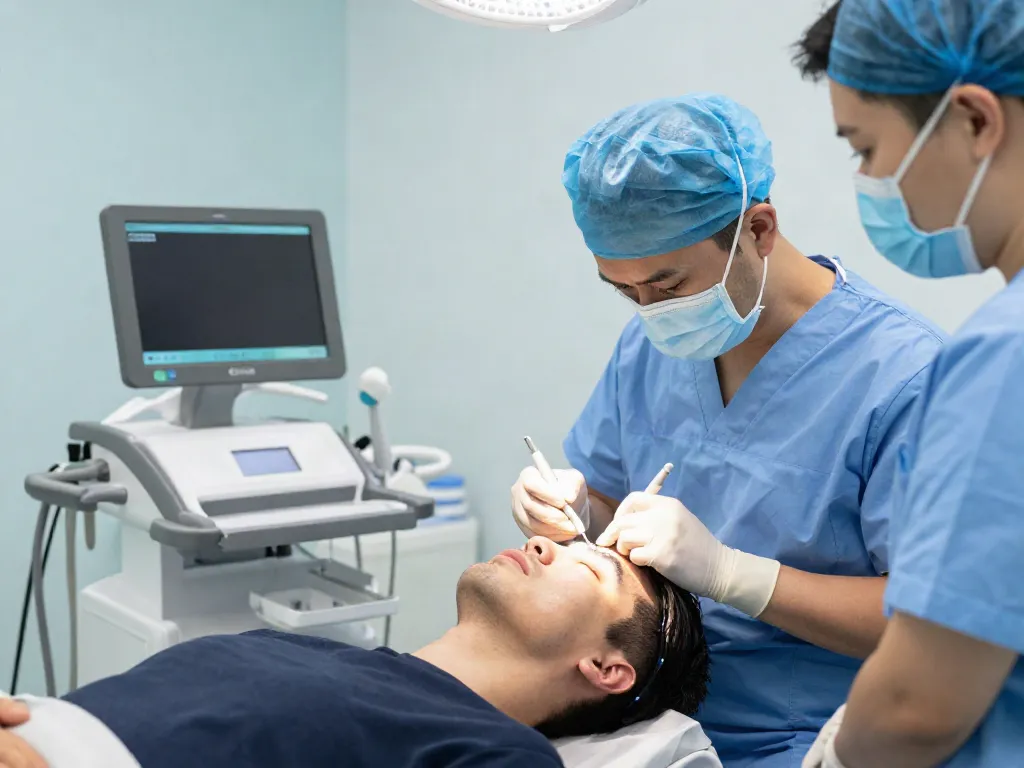
A hair transplant is a specialized surgical procedure designed to address hair loss by relocating resilient hair follicles from the donor area—usually the back or sides of the scalp—to the balding or thinning areas. This method allows for the transplanted hair to maintain its inherent genetic resistance to thinning, ensuring that the results are both permanent and natural-looking. The procedure is typically performed in an outpatient setting under local anesthesia, making it a safe choice for those seeking relief from hair loss.
Different Techniques Used in Malaysia
Malaysia offers various hair transplant techniques tailored to the needs of different individuals. The choice of technique largely depends on factors such as the extent of hair loss, donor hair availability, and the desired outcome. Understanding these methods can help patients choose a suitable option that aligns with their needs:
- Follicular Unit Extraction (FUE): Utilizes a small punch tool to extract individual hair follicles, which are then implanted into the recipient area. This method is known for minimal scarring and a quicker recovery time.
- Follicular Unit Transplantation (FUT): Involves removing a strip of scalp from the donor area, which is then divided into individual grafts. This technique can yield a higher number of grafts in a single session, although it may result in a linear scar.
- Direct Hair Implantation (DHI): An advanced method similar to FUE, but it employs a specialized pen-like tool that allows for simultaneous extraction and implantation, offering more control over the angle and density of hair placement.
Types of Hair Transplants Available
Follicular Unit Extraction (FUE)
FUE is arguably the most popular hair transplant technique today. It involves extracting individual follicular units directly from the donor area and implanting them one by one into the recipient area. This method is praised for its minimal scarring and quicker recovery time. Patients who favor shorter hairstyles benefit particularly from this technique as it leaves virtually no noticeable scarring.
Follicular Unit Transplantation (FUT)
FUT, also known as the strip method, includes removing a strip of scalp from the back of the head. The strip is then dissected into smaller grafts under a microscope. This technique can yield a high number of grafts in one session—making it ideal for patients requiring extensive coverage—but it does leave a linear scar that can be visible with very short hairstyles.
Direct Hair Implantation (DHI)
DHI represents a progression in hair transplant techniques, utilizing a specialized tool that allows for a direct placement of grafts into the recipient area without the need for pre-made incisions. This method enhances control over the depth and angle of hair placement, potentially leading to better graft survival and aesthetic results. However, it is often the most labor-intensive option, which can make it more costly.
Hair Transplant Costs in Malaysia
Average Pricing Explained
In Malaysia, the cost of a hair transplant can range significantly based on the technique used and the number of grafts required. Generally, prices vary between RM8,000 and RM30,000, averaging around RM5 to RM15 per graft. This pricing structure is notably more affordable compared to equivalent procedures in countries like the US or UK, where costs can be considerably higher.
What Influences Pricing?
Several factors can influence the overall cost of a hair transplant in Malaysia:
- Technique Used: Different methods come with varying costs, with FUE and DHI often being on the higher end due to their advanced nature.
- Number of Grafts: The total number of grafts required to achieve the desired results significantly impacts pricing. Typically, more grafts mean higher costs.
- Surgeon’s Experience: Utilizing a highly experienced and accredited surgeon may also raise the cost, but it often ensures better outcomes.
- Clinic Reputation: Reputable clinics that maintain high standards and offer advanced facilities may charge more for their services, reflecting their quality and safety.
Comparison with International Costs
When compared to the global market, the cost of hair transplants in Malaysia is around 40-60% cheaper than procedures in Western countries like the United States or those in Europe. This competitive pricing, alongside the high standards maintained by Malaysian clinics, makes it an attractive choice for many international patients seeking hair restoration.
Choosing the Right Clinic for Your Procedure
Accreditations and Certifications
It is crucial to choose a hair transplant clinic that holds the appropriate accreditations and certifications. In Malaysia, clinics registered with the Ministry of Health (MOH) and having qualified surgeons recognized by the Malaysian Medical Council (MMC) provide assurance regarding safety and professionalism. Researching these credentials can help potential patients make informed decisions.
Researching Surgeon Experience
Experience plays a significant role in the success of a hair transplant procedure. Prospective patients should inquire about the surgeon’s background, the number of procedures performed, and any specialized training they have undergone. A surgeon with extensive experience will likely have a higher success rate and can better handle complex cases.
Patient Reviews and Testimonials
Reading patient reviews and testimonials is a valuable way to gauge the reputation and quality of a clinic. Many patients share their experiences online, providing insights into the overall satisfaction with their procedures and post-operative care. Checking these reviews can also highlight any common concerns or praises that might inform your decision.
Post-Procedure Care and Expectations
What to Expect During Recovery
Recovery following a hair transplant can vary based on the technique used and individual healing responses. Patients can generally expect some swelling and discomfort, which is manageable with prescribed medications. It’s essential to avoid strenuous activities for a few days and to follow the clinic's post-operative care instructions closely to ensure optimal healing.
Long-term Care for Transplanted Hair
To maintain the health of transplanted hair, ongoing care is vital. This includes using gentle hair products, avoiding excessive heat or chemical treatments, and possibly ongoing treatments such as Platelet-Rich Plasma (PRP) therapy. Regular follow-ups with the clinic can also help monitor the progression and health of the transplanted follicles.
Future Trends in Hair Restoration
The hair restoration industry is continuously evolving, with innovations aimed at improving outcomes and reducing recovery times. Future trends may include advances in robotic-assisted hair transplants, enhanced PRP therapies, and potential genetic treatments that could lead to breakthroughs in preventing hair loss altogether. Staying informed about these trends can help patients make proactive decisions about their hair restoration journeys.