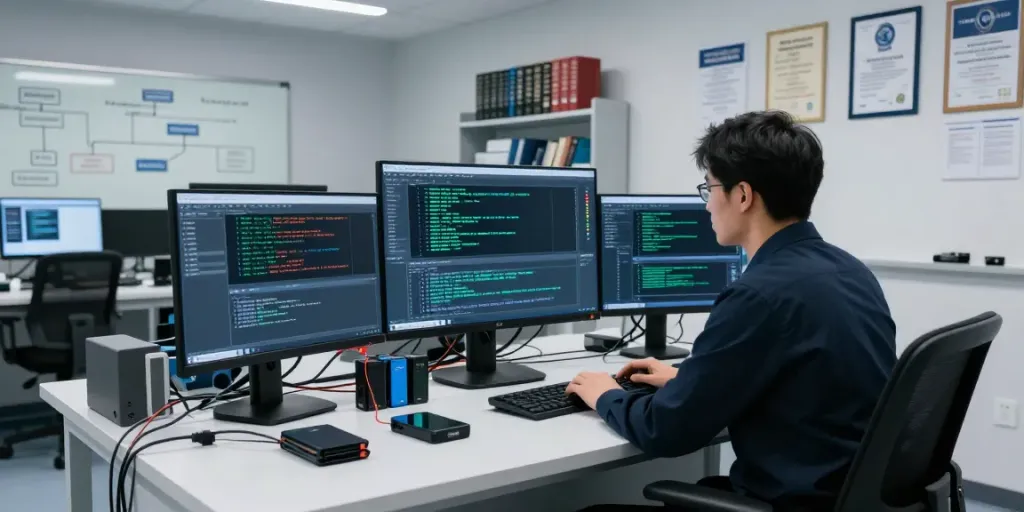
Understanding Digital Forensics
In an era where digital devices are ubiquitous and essential to daily life, understanding the intricacies of digital forensics has become crucial. Digital forensics is a field dedicated to recovering, analyzing, and presenting data stored on electronic devices for legal and investigative purposes. As cybercrimes escalate and technology evolves, the ability to manage, interpret, and utilize digital evidence is increasingly vital across both public and private sectors.
What is Digital Forensics?
Digital forensics refers to the scientific process used to preserve, collect, and analyze electronic data to uncover facts that can assist in legal matters. This discipline encompasses various techniques applied to digital devices, such as computers, smartphones, and networks. It aims to extract valuable information while maintaining the integrity of the data, ensuring it can be admissible in court. The discipline not only aids law enforcement but also plays a crucial role in corporate investigations and cybersecurity strategies.
The Importance of Digital Evidence
In the digital age, most crimes leave a digital footprint, making digital evidence increasingly significant. This type of evidence can include emails, social media messages, transaction records, and even data caches. The collection and analysis of this evidence are critical in understanding the context of criminal activities. Moreover, in civil cases, digital forensics can help in disputes regarding intellectual property, contract compliance, and much more.
Common Types of Digital Forensics
- Computer Forensics: Involves the extraction and analysis of data from computers.
- Mobile Device Forensics: Focuses on recovering data from smartphones and tablets.
- Network Forensics: Analyzes network traffic and logs to identify malicious activities.
- Database Forensics: Involves examining databases to recover information pertinent to investigations.
- Malware Forensics: Studies malware to understand its purpose and impact on systems.
Applications of Digital Forensics Today
Digital forensics is not just limited to law enforcement; its applications extend to various fields influencing how organizations operate and secure their information. The effectiveness of digital forensics can significantly enhance cybersecurity practices, legal proceedings, and corporate governance.
Cybersecurity Incident Response
In the realm of cybersecurity, digital forensics provides a critical response mechanism to incidents. Organizations utilize forensic techniques to investigate breaches, identify vulnerabilities, and determine the extent of data loss or compromise. With threats evolving constantly, having a robust digital forensics capability allows organizations to react swiftly and effectively, mitigating damage and reinforcing their defenses.
Legal Investigations and Litigation
Legal professionals increasingly rely on digital forensics to gather evidence in civil and criminal cases. The ability to uncover and present digital evidence can turn the tide in legal interpretations, often serving as a key determinant in outcomes. Whether it involves recovering deleted emails or analyzing digital transactions, forensic experts contribute invaluable insights that can confirm or challenge narratives.
Corporate Compliance and Risk Management
For businesses, digital forensics plays a significant role in compliance with regulations such as GDPR, HIPAA, and Sarbanes-Oxley. Organizations are required to maintain certain standards of data protection, and digital forensics helps ensure compliance by tracing data access and usage. Moreover, it aids in risk management strategies by identifying potential points of failure and developing contingencies for data breaches.
Challenges in Digital Forensics
Despite its importance, the field of digital forensics faces numerous challenges that can hinder effective investigations and outcomes. As technology continues to evolve, forensic professionals must adapt and innovate to remain effective.
Data Privacy and Ethical Considerations
One of the critical challenges in digital forensics is balancing the need for investigation with the individual's right to privacy. Forensics practitioners must navigate complex legal and ethical landscapes, ensuring that evidence is collected and analyzed within the bounds of the law, thereby maintaining public trust and the integrity of the forensic process.
Handling Modern Encryption and Security Measures
Modern encryption methods present another significant challenge in digital forensics. As encryption technologies become more sophisticated, they create barriers for forensic analysts attempting to access critical information. The need for skilled professionals who can bypass or decrypt such barriers is vital to the field's success, demanding continuous training and advanced tools.
Common Misconceptions in Digital Forensics
There are many misconceptions surrounding digital forensics, including the belief that data recovered from devices is always complete and accurate. In reality, the data can be fragmented, corrupted, or might require specialized techniques for retrieval. Additionally, the public often assumes that forensic evidence is foolproof, while in truth, it requires careful interpretation to support legal arguments convincingly.
Best Practices for Digital Forensics Investigations
To navigate the complexities of digital forensics and enhance its efficacy, practitioners should adhere to established best practices that ensure accurate and legally defensible results.
Establishing Standard Operating Procedures
Creating a set of standard operating procedures (SOPs) is crucial for any digital forensics operation. SOPs provide guidelines for evidence handling, data acquisition, and documentation, ensuring that investigations are consistent, reproducible, and compliant with legal standards.
Maintaining Chain of Custody
Maintaining a clear chain of custody is vital in the digital forensics process. Every piece of evidence must be tracked and documented from the moment it is collected until it is presented in court. This practice safeguards against tampering, ensuring the integrity and reliability of the evidence.
Utilizing Advanced Tools and Software
In an age where technology is rapidly advancing, utilizing cutting-edge tools and software is essential for effective digital forensics investigations. From data recovery applications to network analysis tools, leveraging the right technology can streamline processes and yield more accurate results.
The Future of Digital Forensics
Looking ahead, the future of digital forensics is poised for transformation as new technologies and methodologies emerge. The ever-changing digital landscape will continuously shape practices within the field.
Emerging Technologies in 2026 and Beyond
As we approach 2026, emerging technologies such as artificial intelligence (AI) and machine learning (ML) are set to revolutionize digital forensics. These technologies can assist in predictive analysis, automating routine tasks, and identifying patterns that human analysts might miss, ultimately enhancing investigative efficiency.
Predicted Trends in Cybercrime
The landscape of cybercrime is evolving, with new threats emerging regularly. As cybercriminals become more sophisticated, digital forensics must adapt by developing new strategies for data recovery and analysis to respond effectively to these challenges.
The Evolving Role of Forensic Analysts
Forensic analysts will also see their roles evolve. With an increasing reliance on advanced tools, these professionals will focus more on interpreting complex data rather than solely recovering it, leading to a more strategic approach to investigations.
How Can Digital Forensics Support Your Business?
For businesses, investing in digital forensics capabilities can yield significant returns. By enhancing cybersecurity, ensuring regulatory compliance, and mitigating risks, organizations can protect their assets and reputation while fostering a culture of accountability and integrity.
What are the Key Tools in Digital Forensics?
Key tools in digital forensics include EnCase, FTK, and Autopsy, which are used for data recovery and analysis. These tools help streamline processes, allowing forensic experts to efficiently gather and analyze evidence while ensuring accuracy and compliance with legal standards.
How to Become a Digital Forensics Expert?
To pursue a career in digital forensics, individuals should focus on obtaining relevant education, such as a degree in computer science or cybersecurity, along with specialized certifications. Continuous learning and hands-on experience with forensic tools are also essential to staying current in this rapidly evolving field.
What Are the Legal Implications of Digital Evidence?
The legal implications of digital evidence are significant. Evidence must comply with the rules of evidence to be admissible in court; thus, forensic practitioners must be familiar with legal standards and protocols to ensure their findings can support legal proceedings effectively.
How Does Digital Forensics Relate to Cybersecurity?
Digital forensics and cybersecurity are closely intertwined. While cybersecurity focuses on preventing breaches and protecting data, digital forensics comes into play after an incident, helping to understand the breach, recover lost data, and inform future security strategies.
What Are the Most Common Digital Forensics Misconceptions?
Common misconceptions include the assumption that all digital forensics investigations are quick or straightforward. In reality, investigations can be time-consuming, and the results may depend on various factors, including the state of the devices and the complexity of the case.
What Effect Does Digital Forensics Have on Business Operations?
Digital forensics can significantly influence business operations, from enhancing data security protocols to supporting compliance and legal efforts. By implementing effective forensic strategies, businesses can improve their operational resilience and mitigate the risks associated with data breaches.