Understanding Family Needs in 2026
With the year 2026 fast approaching, families are increasingly evaluating their living arrangements and the environments they wish to raise their children in. The decision of where to relocate is not merely about finding a house; it encompasses educational opportunities, community safety, healthcare accessibility, and overall family well-being. When exploring options, best states to raise a family 2026 provides comprehensive insights that can help families make informed decisions. This article will discuss critical aspects to consider when determining the best states for family living in the coming years.
Assessing Educational Opportunities
Education remains a primary concern for families. Parents want to ensure their children have access to high-quality education systems, which are often a reflection of local investment in public services. In 2026, states with robust educational infrastructures include Utah, Massachusetts, and Oregon, focusing on teacher quality, graduation rates, and engagement in public school systems. Moreover, the inclusion of technology in classrooms and the availability of extracurricular activities also play significant roles in educational assessments.
Importance of Safety and Community
Safety is paramount for families considering relocation. In 2026, families will want to evaluate crime rates, community resources, and neighborhood demographics. States such as New Hampshire and Vermont consistently rank highly for their low crime rates and strong community-focused initiatives. The importance of community cannot be overstated, as friendly, supportive neighborhoods can greatly enhance family life, providing children with safe spaces to grow, explore, and engage with peers.
Evaluating Local Healthcare Services
Access to quality healthcare is another essential criterion for families. States with strong healthcare systems, such as Minnesota and Massachusetts, lead the way in providing comprehensive care, effective communication between patients and providers, and preventive health measures. Families should explore the availability of pediatric services, emergency care facilities, and specialist access when considering their long-term health and wellbeing.
Top Considerations for Choosing Family-Friendly States
Selecting a family-friendly state in 2026 involves a deeper analysis of several critical factors, ranging from the cost of living to recreational opportunities. Families must weigh these considerations against their values, lifestyle preferences, and economic prospects.
Cost of Living and Housing Trends
The cost of living is a crucial factor that can greatly impact family budgets. States like Georgia and Texas offer affordable housing while still providing ample job opportunities. By examining housing trends, families can determine the best areas to settle down, identifying neighborhoods that offer a balance of affordability and amenities.
Job Market Insights for Parents
A thriving job market is essential for parents who wish to ensure their family’s financial stability. States such as Colorado and Washington show promising growth in various sectors, including technology, healthcare, and education. Analyzing local employment rates and average salaries can help families identify regions where economic growth is rapidly increasing.
Availability of Recreational Activities
Family life is not only about work and education; recreational activities play a significant role in children’s development. States that prioritize parks, outdoor activities, and family-centric events, such as California and Oregon, help foster a sense of community and provide children with enriching experiences. Exploring local amenities that cater to families, including sports leagues, community centers, and cultural activities can make a significant difference in the quality of life.
Best States to Raise a Family in 2026
After evaluating the numerous aspects that influence family dynamics, certain states emerge as top contenders for raising a family in 2026. Below, we explore these states in detail, based on the key metrics previously discussed.
Ranking States by Education Quality
When considering the best states for education, Massachusetts consistently ranks at the top due to its comprehensive educational system, high standards, and investment in public education. According to national assessments, states like New Jersey and Connecticut are also notable for their educational achievements, providing families with excellent options.
Safety Ratings and Community Programs
Safety ratings are often determined by evaluating crime statistics, community programs aimed at enhancing public safety, and resources available to residents. In 2026, New Hampshire and Maine will likely continue to score high on safety, as they implement community outreach programs to foster trust and cooperation between law enforcement and residents.
Affordability and Family Support Services
Affordability is not just about housing; it includes the cost of living, healthcare, and overall economic environment. States like Indiana and Nebraska are emerging as favorable options, providing robust family support services, including healthcare and early childhood education programs, while keeping living costs manageable for families.
Real-Life Experiences of Families Who Moved
Understanding how families adapt to new environments can provide valuable insights into the moving process. To gain this perspective, we will explore case studies and testimonials from families who have successfully relocated.
Case Study: Families Thriving in Austin
Austin, Texas, has become a hotspot for families seeking both opportunity and community. Families often cite access to tech jobs and a vibrant arts scene as considerable draws. The city’s diverse neighborhoods cater to various family needs, from suburban options to urban living, providing flexibility for lifestyles.
Challenges Faced When Relocating
While many families thrive post-relocation, challenges often accompany the moving process. Families have reported difficulties in adjusting to new community dynamics, educational differences, and economic shifts. Addressing these challenges early on can help families ease their transition and establish a sense of belonging.
Personal Testimonials and Success Stories
Testimonials from families who have moved can provide insights into the actual experience of relocating. Many families express excitement about new opportunities but also share their apprehensions regarding change. By learning from these success stories, prospective movers can better navigate their paths toward a successful relocation.
Future Trends in Family Living Environments
As we look ahead, several emerging trends are likely to impact family living environments. Understanding these trends will help families make informed decisions about their future.
Emergence of Remote Work and Its Impacts
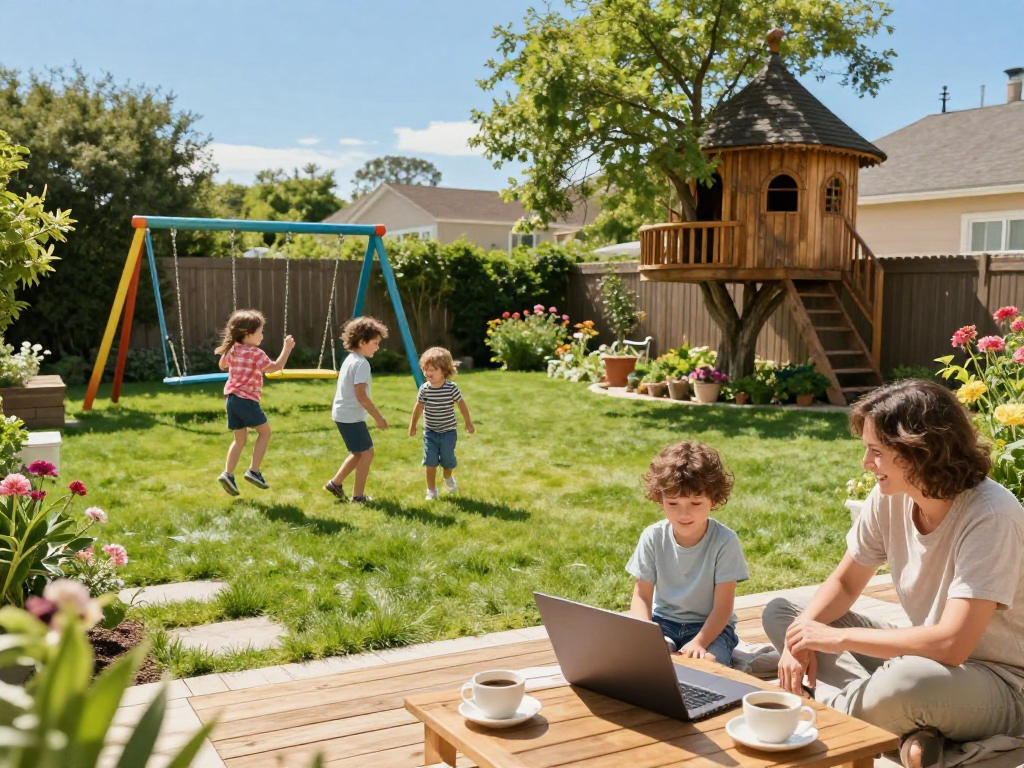
The rise of remote work has dramatically shifted the expectations of families regarding where to live. States that provide good internet access and work-life balance will attract more families wishing to relocate. This trend is particularly evident in states like Nevada and Wisconsin, which offer unique incentives to remote workers.
Urban vs. Suburban Living Preferences
The debate between urban and suburban living continues to evolve. While urban areas often provide more job opportunities and social activities, suburban areas are increasingly seen as family-friendly environments with more access to space and community resources. Families will weigh this decision based on their lifestyle preferences and economic realities.
Long-Term Predictions for Family-Oriented States
States that invest in education, healthcare, and community programs are likely to remain attractive for families in the future. Long-term predictions indicate that states like Virginia and Maryland will continue to draw families due to their balanced approaches to living costs and quality of life.
What Amenities Will Families Need in 2026?
As family priorities shift, amenities will also evolve. Families will increasingly seek locations with accessible parks, community centers, and educational resources. Additionally, the demand for outdoor recreational spaces will grow, emphasizing the need for states to adapt and meet these changing requirements.