Understanding Tupaiwin: The Next-Gen SaaS Platform
Tupaiwin is emerging as a leading player in the Software as a Service (SaaS) landscape, poised to revolutionize how developers and businesses interact with technology solutions. With an emphasis on providing robust, scalable, and customizable software applications, Tupaiwin encapsulates the modern approach to agility and customer-centricity in software development. As we delve deeper into its offerings, it becomes clear that tupaiwin is not just another platform but a comprehensive ecosystem designed to support a diverse range of industries and use cases.
What is Tupaiwin and Its Unique Offerings?
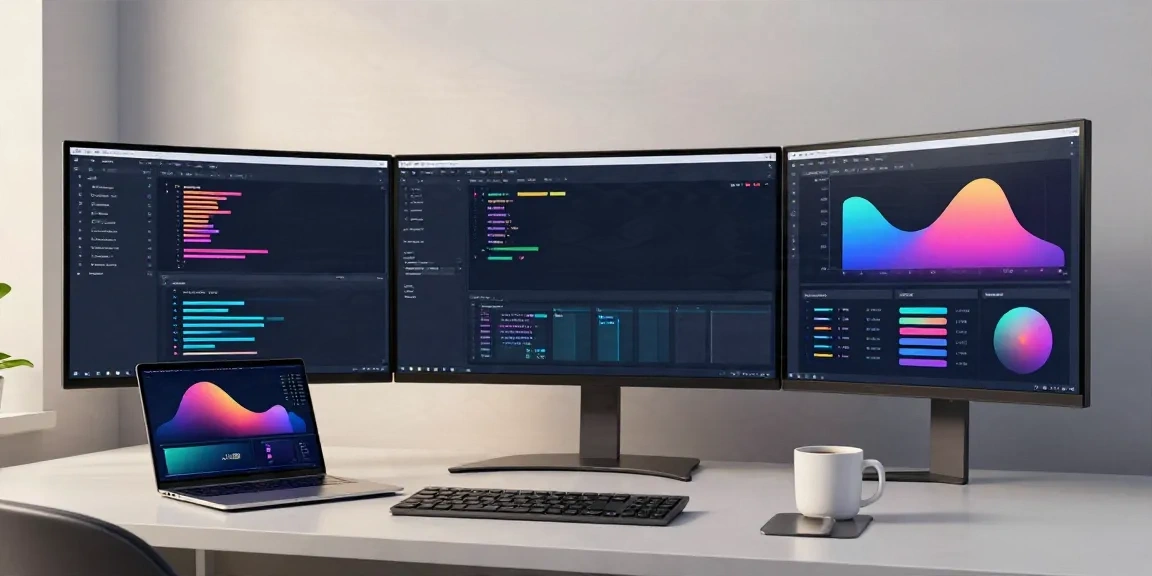
Tupaiwin stands out in the crowded SaaS market with its unique features and capabilities that cater specifically to developers and enterprises alike. The platform integrates powerful tools for project management, analytics, and AI-driven insights, enabling organizations to make data-informed decisions quickly. Its user-friendly interface coupled with advanced functionalities like API integrations and microservices architecture allows teams to deploy applications seamlessly. Furthermore, Tupaiwin supports multi-cloud strategies, making it a versatile choice for businesses looking to optimize their IT infrastructure.
Key Features of Tupaiwin for Developers
- Real-Time Collaboration: Facilitates teamwork across different geographical locations through integrated communication tools.
- API-First Design: Enables developers to build and integrate applications effortlessly, promoting extensibility and innovation.
- Customizable Dashboards: Allows users to personalize their workspace for better workflow management.
- Advanced Analytics: Provides actionable insights through data visualization and reporting tools, enhancing decision-making processes.
- Scalable Architecture: Supports microservices and serverless environments, ensuring applications can grow with the business.
Market Positioning and Competitor Analysis
In a competitive landscape filled with traditional and emerging SaaS providers, Tupaiwin has carved out a unique position for itself. Its focus on flexibility and user control is a significant differentiator. Competitors like SaaS giants Salesforce and Microsoft Azure have robust offerings but often fall short in terms of tailored customer experiences across various sectors. Tupaiwin's emphasis on customization allows it to serve not only tech companies but also industries like healthcare, finance, and retail effectively.
AI/ML Implementation Best Practices in Tupaiwin
Tupaiwin embraces AI and Machine Learning (ML) to enhance functionality and automate processes, positioning itself at the forefront of technology innovation. By implementing these technologies effectively, businesses can leverage predictive analytics, improve operational efficiency, and ultimately drive growth.
Integrating AI Models into Tupaiwin Solutions
Successfully integrating AI models into Tupaiwin requires understanding both the platform’s architecture and the specific needs of the business. Best practices include starting with a clear definition of the problem the AI is solving, followed by selecting appropriate data sources to train the model. Utilizing platforms like TensorFlow or PyTorch allows for seamless incorporation of pre-trained models into the Tupaiwin environment, ensuring adaptability and performance.
Data Pipelines and Pipeline Management
Data pipelines are crucial for feeding AI and ML models with the requisite information for analysis. Tupaiwin offers robust tools for managing data pipelines, enabling organizations to efficiently collect, clean, and transform data. Tools like Apache Kafka can be integrated for real-time data streaming, ensuring that the models have access to the most current data possible.
Monitoring and Optimizing AI Performance
Once AI models are deployed within the Tupaiwin platform, ongoing monitoring and optimization are necessary to maintain their accuracy and effectiveness. Implementing performance benchmarks and continuously analyzing results allows organizations to recalibrate their models and enhance outcomes. Utilizing monitoring tools such as Prometheus or Grafana helps teams visualize metrics and respond to variances in real time.
Cloud Infrastructure Optimization for Tupaiwin
The backbone of Tupaiwin's capabilities lies in its cloud infrastructure, which is essential for scalability, reliability, and cost-effectiveness. Choosing the right cloud provider and optimizing cloud resources accordingly can significantly impact performance and user experience.
Choosing Between AWS, Azure, and GCP for Tupaiwin
When determining the most suitable cloud provider for Tupaiwin deployments, it is vital to consider the specific needs of your application and organization. AWS offers a vast array of services for diverse workloads, while Azure provides better integration with Microsoft products. Google Cloud Platform (GCP), on the other hand, excels in machine learning capabilities. Each platform has unique strengths and trade-offs, and the choice should align with performance requirements and budget constraints.
Scalability Solutions in Cloud Platforms
One of the primary advantages of using cloud infrastructure for deploying Tupaiwin is the inherent scalability. Utilizing container orchestration platforms like Kubernetes allows organizations to easily manage containerized applications across different environments, automatically scaling resources depending on user demand. Additionally, serverless architectures can further enhance scalability by abstracting server management, allowing developers to focus on code and functionality.
Cost Management Strategies in Cloud Services
Effective cost management is crucial when utilizing cloud services for Tukaiwin. To avoid overspending, organizations should implement strategies such as tagging resources, regularly auditing usage, and utilizing reserved instances or savings plans from cloud providers. Additionally, employing tools like AWS Cost Explorer can help visualize spending trends and identify areas for optimization.
Cybersecurity Measures in Tupaiwin
As cyber threats become increasingly sophisticated, implementing robust cybersecurity measures within the Tupaiwin platform is critical to protect sensitive data and maintain user trust.
Implementing Robust Security Protocols
Security in Tupaiwin begins with a layered approach that includes multi-factor authentication (MFA), encrypted data transmission, and secure access protocols. Regular security audits and compliance assessments should also be part of the operation to identify vulnerabilities proactively.
Threat Mitigation Techniques for SaaS Applications
To counteract various cyber threats, businesses should deploy techniques such as intrusion detection systems (IDS), web application firewalls (WAFs), and regular penetration testing. Incorporating AI-based security solutions can also provide a dynamic response to new threats, significantly reducing response times and potential damages.
CISO Focus: Maintaining Security Compliance
With various regulations like GDPR and HIPAA, maintaining compliance is paramount for any SaaS provider. The Chief Information Security Officer (CISO) plays a strategic role in ensuring that Tupaiwin adheres to these regulations while implementing best practices in data protection and user privacy.
Future Trends in Software Development with Tupaiwin
Looking ahead, Tupaiwin is poised to leverage emerging technologies that will reshape the software development landscape, ensuring it remains relevant and competitive.
Emerging Technologies: What’s Next for Tupaiwin?
Technologies such as blockchain, augmented reality, and edge computing are expected to make significant impacts across various industries. Tupaiwin can harness these technologies to introduce innovative solutions that address evolving customer needs, thereby staying ahead of the competition.
Exploring Quantum Computing Impact on SaaS
Quantum computing represents one of the most promising advancements in computing power, with the potential to solve complex problems currently beyond reach. As quantum technology matures, it could redefine data processing capabilities for Tupaiwin, enabling unprecedented efficiencies and insights.
The Role of DevOps in Product Lifecycles
DevOps is essential in optimizing the software development lifecycle. By fostering collaboration between development and operations teams, Tupaiwin can ensure rapid and steady releases while maintaining high-quality standards. Continuous integration/continuous deployment (CI/CD) practices should be employed to automate testing and deployment, allowing for faster iterations and innovations.
FAQs about Tupaiwin Services
How does Tupaiwin support software developers?Tupaiwin offers robust tools for collaboration, project management, and integrated development environments that empower developers to build, test, and deploy applications efficiently.
What are the primary industries using Tupaiwin?Industries such as healthcare, finance, retail, and technology benefit from Tupaiwin’s diverse applications and scalable solutions.
How does Tupaiwin ensure data privacy and protection?By implementing industry-standard security protocols, encryption, and regular audits, Tupaiwin prioritizes user privacy and data protection at all levels.. Additionally, tupaiwin provides further details.