Understanding the Automatic Bag Palletizer Machine
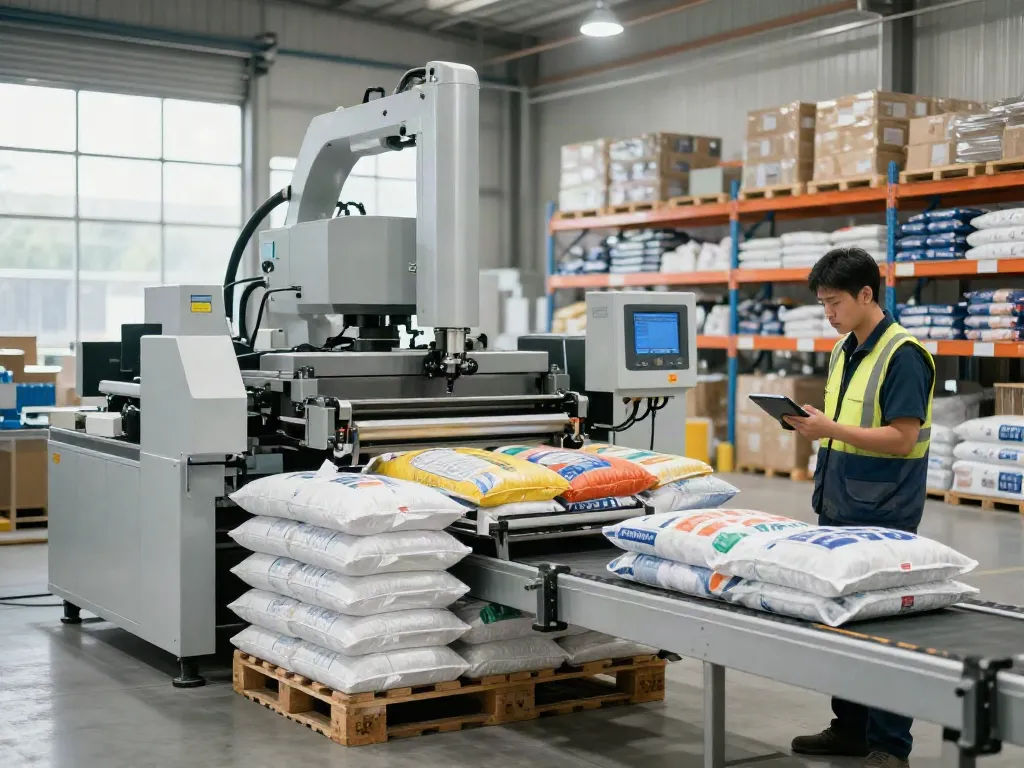
An automatic bag palletizer machine is a critical component in modern packaging operations, designed to enhance productivity and efficiency in the logistics chain. These machines automate the palletizing process, where bags filled with products are stacked onto pallets for storage or shipping. By significantly reducing the need for manual labor, an automatic bag palletizer machine not only streamlines operations but also minimizes the risks associated with repetitive lifting and stacking tasks. When exploring options, automatic bag palletizer machine provides comprehensive insights into various applications, making it a worthwhile investment for businesses looking to optimize their packaging lines.
What is an Automatic Bag Palletizer Machine?
An automatic bag palletizer machine operates using advanced technology to automatically stack bags on pallets, positioning them securely at the end of a production line. These machines can be programmed to handle various bag sizes and materials, including paper, plastic, and woven bags, and they employ robotics and sensors to ensure precise stacking. The efficiency of these machines helps in reducing labor costs and increasing operational speed, allowing companies to enhance throughput significantly.
Benefits of Using an Automatic Bag Palletizer
The adoption of an automatic bag palletizer machine brings numerous advantages to businesses:
- Increased Efficiency: Automating the palletizing process allows for faster stacking of bags compared to manual operations.
- Labor Cost Savings: With less reliance on manual labor, companies can save on labor costs and reduce the potential for workplace injuries.
- Consistent Quality: Automated systems provide uniform stacking patterns, contributing to better pallet stability during transportation.
- Space Optimization: Efficient pallet stacking can lead to better use of warehouse space and easier inventory management.
- Scalability: Many machines can be adapted to handle varying production volumes, making them suitable for both small and large operations.
Key Features of Modern Automatic Bag Palletizers
Modern automatic bag palletizers come equipped with several advanced features, enhancing their functionality:
- Robotic Integration: Many systems utilize robotic arms that can manipulate bags with high precision, allowing for complex pallet stacking configurations.
- Modular Design: These machines are often modular, enabling businesses to customize them based on their specific needs and future expansions.
- User-Friendly Interfaces: Newer models feature intuitive controls, allowing operators to easily program and monitor the palletizing process.
- Real-Time Monitoring: Advanced sensors and software provide real-time data on production rates, machine performance, and diagnostic alerts.
Choosing the Right Machine for Your Business
Selecting the right automatic bag palletizer machine for your business is crucial for maximizing efficiency. Several factors must be taken into account to find a machine that meets your operational needs while fitting within budget constraints.
Factors to Consider in Your Selection Process
When evaluating different palletizers, consider the following factors:
- Production Capacity: Assess your production rates to ensure the machine can handle your output needs.
- Bag Types: Ensure the machine is compatible with the types of bags your operation uses.
- Footprint: Consider the space available in your facility; some machines require more room than others.
- Integration: Ensure that the palletizer can be integrated smoothly into your existing packaging line without significant modifications.
Comparing Different Brands and Models
Researching various brands and models is essential. Look for reviews and case studies that highlight performance and reliability. Comparing warranties, customer service, and maintenance offerings can also provide insight into the long-term value of your investment. Key manufacturers like Durzerd offer a range of models tailored for different industries and production environments, making it easier to find a suitable option.
Cost Analysis and Budgeting for Acquisition
The cost of automatic bag palletizers can vary significantly based on features, production capacity, and technology. Conducting a thorough cost analysis that includes not just the initial purchase price but also operational costs—maintenance, repairs, and labor savings—will help in making an informed decision. Many manufacturers offer financing options or leasing arrangements, providing flexibility for businesses concerned about upfront costs.
Implementing Automatic Bag Palletizer in Your Operations
Implementing an automatic bag palletizer machine in your operations requires careful planning to ensure seamless integration into existing workflows. This process involves several key steps.
Step-by-Step Installation Process
Installing an automatic bag palletizer typically follows these steps:
- Site Assessment: Evaluate the installation site, ensuring all necessary utilities are available.
- Machine Setup: Follow manufacturer guidelines for assembling the palletizer, including any required electrical or software configurations.
- Testing: Conduct thorough testing to verify that the machine operates correctly, making adjustments as necessary.
- Final Approval: Once testing is complete, finalize installation with operational approval from management.
Integrating with Existing Production Lines
Integration may require adjustments to your current production line. Ensure that the palletizer aligns with the flow of packaging and storage systems. Collaboration with your equipment supplier can help facilitate smooth integration.
Staff Training for Optimal Utilization
Proper training is crucial to maximize the benefits of your new equipment. Conduct comprehensive training sessions for staff, focusing on machine operation, troubleshooting, and maintenance practices, to ensure you get the most value from your investment.
Maintenance and Troubleshooting
To maintain optimal performance and longevity of the automatic bag palletizer machine, routine maintenance is essential.
Routine Maintenance Practices
Establish a preventive maintenance schedule that includes:
- Regular cleaning of the machine to prevent dust and debris build-up.
- Routine inspection of mechanical components, including belts and motors.
- Periodic software updates to ensure the machine operates using the latest technology.
Common Issues and Solutions
Some common issues with bag palletizers may include:
- Bag Misalignment: Often caused by incorrect setup or debris in the stacking area; regular cleaning can help mitigate this.
- Mechanical Failures: Ensure all parts are regularly checked and replaced as needed to avoid downtime.
- Software Glitches: Keeping software up-to-date can prevent issues with performance.
Expert Tips for Longevity of Your Equipment
To prolong the life of your bag palletizer:
- Invest in high-quality parts and accessories from reputable suppliers.
- Encourage operators to report issues immediately to prevent minor problems from escalating.
- Maintain an organized workspace around the machine to avoid accidents and ensure efficiency.
Future Trends in Automatic Bag Palletizing
The landscape for automatic bag palletizers is continually evolving, influenced by advancements in technology and changing market demands.
Technological Innovations on the Horizon
Expect innovations such as AI integration for predictive maintenance, enhancing the capabilities of bag palletizers to foresee potential issues before they disrupt operations. Additionally, improvements in machine learning algorithms could allow for better adaptability in handling diverse products.
Market Predictions for 2026 and Beyond
The market for automatic bag palletizers is projected to grow significantly. Increased demand for automation in various sectors, such as food, pharmaceuticals, and consumer goods, will drive this growth. Companies will increasingly seek solutions that meet higher efficiency and sustainability standards.
How to Stay Competitive with Advanced Solutions
To remain competitive, businesses should continuously assess advancements and adapt their systems accordingly. Investing in training, embracing innovations, and maintaining flexibility in production lines will be essential strategies for success in the evolving landscape.