Understanding CNC Machining Parts Manufacturing
CNC machining stands for Computer Numerical Control machining, a process that has revolutionized manufacturing since its inception. As a cnc machining parts manufacturer, Honscn has been at the forefront of this technology since 2003, focusing on precision and quality to meet the growing needs of various industries. This article delves into the fundamentals of CNC machining, its history, benefits, and insights into selecting the right supplier for your manufacturing needs.
What is CNC Machining?
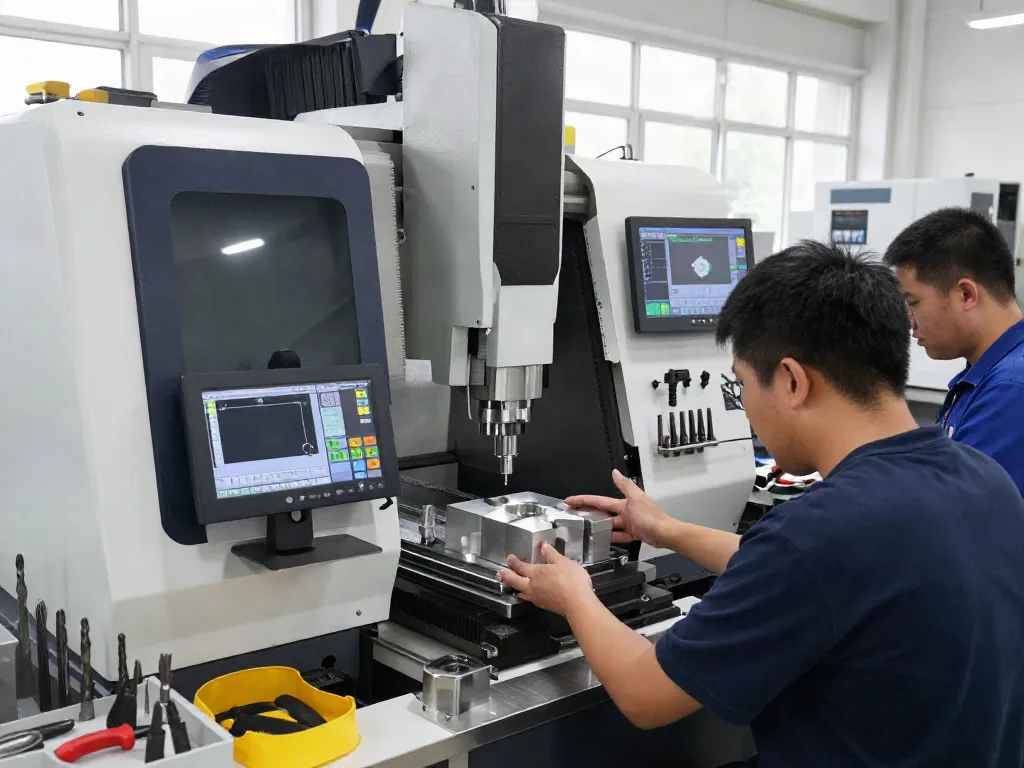
CNC machining is a manufacturing process that utilizes computer-controlled machinery to create parts and components from various materials. The process involves programming a computer to control the movement of tools and machinery, allowing for intricate designs and high precision. The versatility of CNC machining makes it suitable for various applications, from aerospace to medical devices, where precision and reliability are paramount.
History and Evolution of CNC Machining Parts Manufacturer
The origins of CNC machining date back to the 1940s, but it gained prominence in the 1960s with the advent of digital computing. The introduction of CNC machines enabled manufacturers to increase production rates while reducing errors. Over the decades, this technology has evolved to include sophisticated software that enhances design capabilities and operational efficiency. As a leader in the industry, Honscn has embraced these advancements, ensuring that our cnc machining parts meet today's standards.
Key Benefits of CNC Machining for Businesses
- High Precision: CNC machining is renowned for its ability to produce parts with exceptional accuracy and repeatability, vital for industries that require tight tolerances.
- Scalability: Whether a business requires a single prototype or thousands of units, CNC machining can easily adapt to varying production volumes.
- Material Versatility: CNC machining can work with a wide array of materials, including metals, plastics, and composites, making it suitable for different applications.
- Reduced Lead Times: With automation and efficient operations, CNC manufacturers can significantly shorten lead times, allowing businesses to respond quicker to market demands.
Choosing the Right CNC Machining Parts Manufacturer
When selecting a cnc machining parts manufacturer, it's essential to consider various factors to ensure that you partner with a company who can meet your specific needs and quality standards. For businesses looking for reliable partners, cnc machining parts manufacturer Honscn offers a comprehensive range of services tailored to industry requirements.
Important Factors to Consider in a Manufacturer
- Experience and Expertise: Look for manufacturers with a proven track record and expertise in your specific industry.
- Technology and Equipment: Assess whether the manufacturer uses the latest CNC technology and equipment for optimal performance.
- Quality Assurance: Ensure that the manufacturer follows strict quality control processes to maintain high standards of production.
- Customer Service: A responsive and knowledgeable customer service team can significantly enhance your experience.
Comparing Local vs. Global CNC Machining Suppliers
Deciding whether to opt for local or global suppliers comes down to your specific operational needs and costs. Local suppliers may offer faster turnaround times and lower shipping costs, whereas global suppliers can provide competitive pricing but may have longer lead times. Evaluating these aspects can help in making a strategic decision that aligns with your business priorities.
Evaluating Quality Assurance Standards
Quality assurance is an essential aspect of CNC machining. Manufacturers should implement rigorous testing protocols and adhere to international standards, such as ISO 9001. This commitment to quality ensures that parts meet the required specifications and reduces the risk of defects that could disrupt production.
Common Challenges in CNC Machining
While CNC machining is an advanced process, there are inherent challenges that manufacturers face. Understanding these challenges can help in implementing solutions that enhance overall efficiency and quality.
Understanding Tolerances and Precision Requirements
Different industries have varying precision requirements, and failure to meet these can lead to costly reworks or product failures. It is crucial for manufacturers to have robust processes in place to measure tolerances accurately and maintain consistent quality.
Addressing Material Selection Issues
The selection of appropriate materials plays a vital role in the performance of machined parts. Choosing unsuitable materials can lead to premature wear or catastrophic failure. It is essential to work closely with suppliers who understand the materials' properties and can recommend suitable options based on application requirements.
Managing Lead Times and Delivery Schedules
In a competitive market, managing lead times and delivery schedules is critical. Manufacturers must establish clear communication with clients and have contingency plans to address potential delays to maintain customer satisfaction and loyalty.
Best Practices for Efficient CNC Machining
To maximize the benefits of CNC machining, manufacturers can employ several best practices that enhance efficiency and drive productivity.
Effective Design for Manufacturability Techniques
Design for manufacturability (DFM) involves designing parts that are easy and cost-effective to produce. Integrating DFM principles early in the design process can minimize production issues and reduce overall costs.
Implementing Workflow Automation
Automation in the CNC machining process can significantly increase efficiency by reducing human error and speeding up production cycles. Investing in software that integrates design, manufacturing, and quality control can streamline operations considerably.
Continuous Improvement Strategies in Manufacturing
Implementing continuous improvement practices, such as lean manufacturing principles, can help CNC machining suppliers identify waste, enhance their processes, and improve the quality of their output over time.
Future Trends in CNC Machining Parts Manufacturing
As technology continues to evolve, CNC machining is expected to undergo significant transformations that will impact production practices and capabilities.
Advancements in Technology for 2026 and Beyond
Future advancements in machining technology may include the use of artificial intelligence and machine learning to further automate processes and improve decision-making. These technologies can lead to enhanced precision and minimized downtime, making CNC machining even more efficient.
Sustainability Practices in CNC Machining
As industries become more focused on sustainability, CNC machining manufacturers are exploring eco-friendly practices that reduce waste, optimize resource usage, and minimize environmental impact. This shift towards sustainable production is likely to become a central tenet of manufacturing in the next decade.
Emerging Materials and Processes to Watch
New materials and processes are continually being developed in the CNC machining landscape. Materials such as advanced composites and bio-based plastics are gaining traction, requiring manufacturers to adapt their techniques to accommodate these innovations.
How to Optimally Adapt to Market Changes?
Adapting to market changes requires agility and responsiveness. Manufacturers should remain informed about industry trends, invest in workforce training, and maintain flexible production capabilities to respond promptly to shifts in demand.