Understanding the Role of Springs Hall in Food Access
In the heart of Sonoma Valley, Springs Hall serves as a vital community hub that promotes local food access, sustainability, and cooperation. As the need for accessible, fresh produce grows, especially in light of recent global challenges, the Hall plays a critical role in connecting residents with local agricultural resources. One of the essential aspects of this initiative is the collaboration with springshall.org to provide ongoing support and updates about food initiatives and collaborative efforts across the region.
What is Springs Hall's Mission for Local Food?
The mission of Springs Hall is deeply rooted in the principles of community engagement and support for local agriculture. By acting as a conduit between farmers and residents, the Hall aims to enhance food security, provide nutritional education, and foster a greater understanding of sustainable practices. This mission has only grown more pertinent as more individuals and families face food insecurity due to the economic impacts of recent events.
How Springs Hall Facilitates Community Engagement
Community involvement is at the core of Springs Hall's activities. The Hall regularly organizes events that encourage local participation, such as farmers' markets, food distribution days, and educational workshops. These gatherings not only provide residents access to local produce but also promote a sense of unity and shared purpose in improving community health through better food choices. By bridging the gap between local farmers and consumers, Springs Hall cultivates a stronger local economy and enhances the social fabric of the community.
Impact of COVID-19 on Food Distribution Efforts
The onset of the COVID-19 pandemic significantly altered the landscape of food access, making the work of Springs Hall and its partners even more critical. With increased unemployment and economic hardship, many families turned to community resources for food aid. Springs Hall swiftly adapted its operations to continue serving the community by implementing safe food distribution methods and collaborating with local organizations to ensure no one went hungry. This adaptation not only demonstrated the Hall's resilience but also highlighted the importance of community-led initiatives in times of crisis.
The Farmer’s Friend Program: An Overview
The Farmer’s Friend program is a hallmark of Springs Hall's commitment to supporting local food access. Launched in response to the growing needs of the community, this program connects local farmers with residents who face barriers in accessing fresh produce. It not only emphasizes the importance of local agriculture but also reinforces community ties through mutual support.
Origins and Objectives of the Farmer’s Friend Program
Born out of a necessity to aid families during difficult times, the Farmer’s Friend program has expanded its reach and objectives over time. Initially focused on emergency food distributions, it has evolved into a comprehensive initiative designed to empower local farmers while simultaneously addressing food insecurity. The objectives include ensuring regular supply chains for fresh produce, educating the community about the benefits of local food systems, and creating sustainable practices that support both producers and consumers.
How the Program Collaborates with Local Farmers
The program's success hinges on strong partnerships with local farmers who are committed to generating healthy food for their community. By creating a network of agricultural producers, Springs Hall helps facilitate the collection and distribution of surplus produce, which might otherwise go to waste. Farmers like Paul’s Produce, Oak Hill Farm, and others contribute not only products but also their knowledge and passion for sustainable agriculture, creating a rich educational environment for community members.
Success Stories from Food Distribution Events
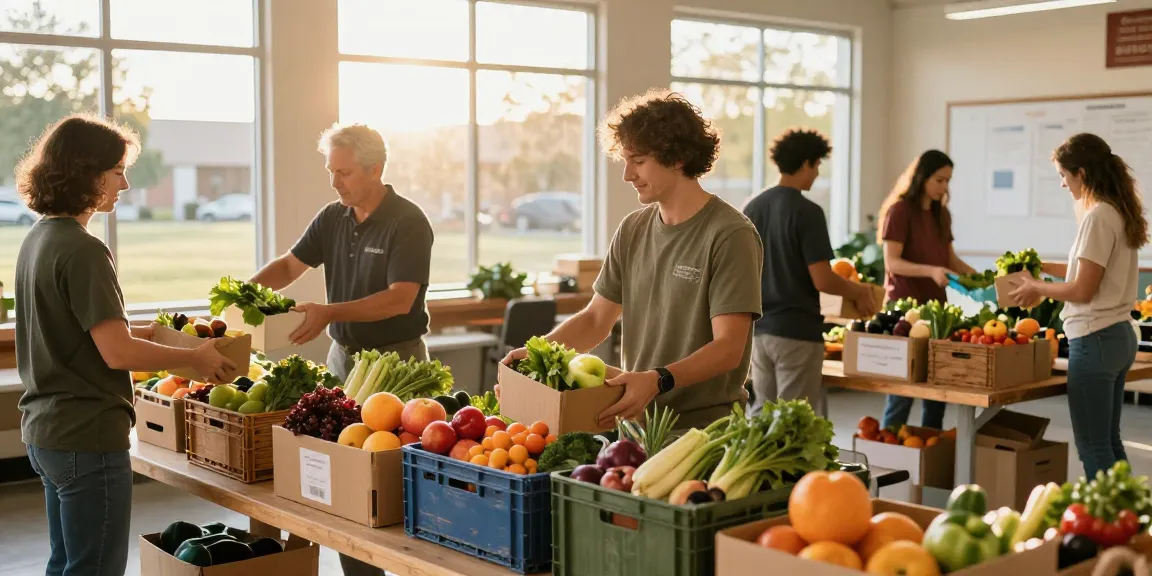
Success stories from the Farmer’s Friend program are both inspiring and numerous. One such event saw over 110 packages of locally grown organic produce distributed to families in need, thanks to the collaboration with various farms and the dedicated volunteers of Food For All. This type of outreach not only meets immediate food needs but also fosters a culture of generosity and support within the community, encouraging more individuals to engage with local agriculture.
Engagement with Food For All/Comida Para Todos
Working alongside Food For All/Comida Para Todos further amplifies the impact that Springs Hall can have on food access and education in the community. This partnership allows for streamlined efforts in addressing food insecurity while promoting nutritional awareness among participants.
Partnering for Community Well-Being
The collaboration between Springs Hall and Food For All exemplifies the power of partnerships in addressing systemic challenges in food access. Together, they have developed an efficient model for gleaning excess produce from local farms and distributing it to those in need. This approach significantly reduces food waste and ensures that fresh produce makes its way to households that would not otherwise have access.
Educational Initiatives on Healthy Eating
Educational programs focusing on healthy eating complement the physical distribution of food. Workshops held at Springs Hall teach community members about nutritional values, meal planning, and cooking with fresh produce. These sessions empower individuals to make informed dietary choices, which is crucial for long-term health outcomes.
Volunteer Opportunities and Community Involvement
Community involvement is crucial for the success of all initiatives at Springs Hall. Volunteers play an integral role in organizing events, conducting food distributions, and providing educational support. The Hall encourages residents to participate, fostering a sense of ownership over community health and well-being. Opportunities for volunteering can range from food gleaning to educational consultation, making it accessible for everyone.
Navigating Challenges in Local Food Access
Despite the positive developments, several challenges remain in ensuring equitable access to fresh produce for all community members. Addressing these barriers requires innovative solutions and a commitment to collaborative efforts.
Common Barriers to Accessing Fresh Produce
Many individuals in the Sonoma Valley face obstacles in accessing fresh produce, including financial constraints, lack of transportation, and insufficient knowledge about food preparation and nutrition. These barriers can lead to poor dietary choices, impacting overall community health. Recognizing these issues is the first step toward implementing effective solutions.
Strategic Solutions for Improving Food Security
Strategically addressing these barriers involves a combination of community education, improved distribution methods, and collaboration with various stakeholders. For instance, introducing mobile food markets can directly target neighborhoods with limited access to supermarkets, while workshops can raise awareness about the importance of including fresh produce in diets.
Future Trends in Community Food Cooperatives
Looking forward, the trend toward community food cooperatives is expected to grow. These cooperatives not only strengthen local economies but also foster sustainable practices among producers and consumers. As awareness of food sovereignty increases, more community members may choose to engage in these cooperative models, which promise to enhance local food systems and access.
How to Get Involved with Springs Hall
Getting involved with Springs Hall provides an opportunity for individuals to contribute to the community while supporting local food initiatives. There are numerous avenues for participation that cater to diverse interests and skill sets.
Joining the Local Food Cooperative Movement
For those interested in supporting local agriculture, joining a food cooperative is a rewarding way to engage. Membership not only provides access to fresh produce but also creates a network of like-minded individuals committed to sustainable practices. Springs Hall offers resources on how to get started in forming or joining a local cooperative.
Ways to Volunteer and Support Initiatives
Volunteering at Springs Hall is a fantastic way to get involved in community initiatives. Whether it’s helping at food distributions, organizing events, or raising awareness about local food issues, there are countless opportunities for anyone willing to lend a hand. Engaging with these efforts allows individuals to meet fellow community members and actively contribute to enhancing food access.
Making Donations: Supporting Local Farmers
Donations are another powerful way to support local farmers and food access initiatives. Springs Hall encourages community members to contribute financially, ensuring that local farms can continue providing quality produce to those most in need. Donations can be made through various channels, all of which directly impact the local food system and help foster a sustainable environment.