Understanding GRP: What Makes Engineered Composites Stand Out?
As industries evolve, the demand for innovative materials capable of withstanding harsh environments continues to rise. Glass Reinforced Plastic (GRP), a composite material combining glass fibers with resin, offers remarkable durability and versatility. Engineered Composites, a leading supplier in the UK, specializes in delivering high-quality GRP products tailored for various applications. With over 40 years of experience in the industry, Engineered Composites has established itself as a trusted partner for businesses requiring reliable and efficient solutions.
Introduction to Glass Reinforced Plastic (GRP)
GRP, also known as fiberglass, is renowned for its lightweight yet robust characteristics. This composite material is created through the combination of glass fibers and a polymer resin, resulting in products that are not only strong but also resistant to corrosion, UV degradation, and harsh chemicals. These attributes make GRP an ideal choice for a wide range of applications, from construction to transport infrastructure. When exploring options, Engineered Composites provides comprehensive insights into GRP solutions that meet diverse industry needs.
Core Advantages of GRP Products
- Lightweight: GRP products are significantly lighter than traditional materials like steel and aluminum, resulting in lower shipping costs and easier handling.
- Corrosion Resistance: Unlike metals, GRP does not rust or corrode, ensuring longevity even in challenging environments.
- Low Maintenance: GRP requires minimal upkeep compared to traditional materials, which translates into reduced operational costs over time.
- Customizability: GRP can be manufactured in various shapes and sizes, allowing for tailored solutions that fit specific project requirements.
Exploring the Range of GRP Products Offered
Types of GRP Products Available
At Engineered Composites, the product range encompasses several GRP solutions designed to cater to multiple industries. Key offerings include:
- GRP Grating
- GRP Handrails
- GRP Profiles
- GRP Fencing
- GRP Flooring
- GRP Decking
- GRP Rebar
- GRP Scaffold Tubes
Applications Across Various Industries
GRP products are widely utilized in industries such as:
- Construction: Ideal for flooring, grating, and structural elements, GRP supports building projects that demand strength and resistance to chemicals.
- Marine: GRP is resistant to saltwater, making it perfect for boat components and docks.
- Utilities: GRP is used for fencing and walkways in electrical and utility applications, where safety and durability are critical.
Custom Solutions for Unique Project Needs
Engineered Composites is adept at providing bespoke solutions, ensuring that clients receive GRP products tailored to their unique specifications. This includes custom sizes, shapes, and finishes, enabling seamless integration into existing structures or projects.
Quality Assurance in GRP Manufacturing
Standards and Certifications for GRP Products
Quality is paramount at Engineered Composites. All products meet rigorous standards, including:
- BS EN 13706: Performance standards for GRP products.
- ISO 9001: A quality management system ensuring consistency in manufacturing processes.
- BS 476 Part 7: Fire safety standards for construction materials.
Manufacturing Processes That Ensure Excellence
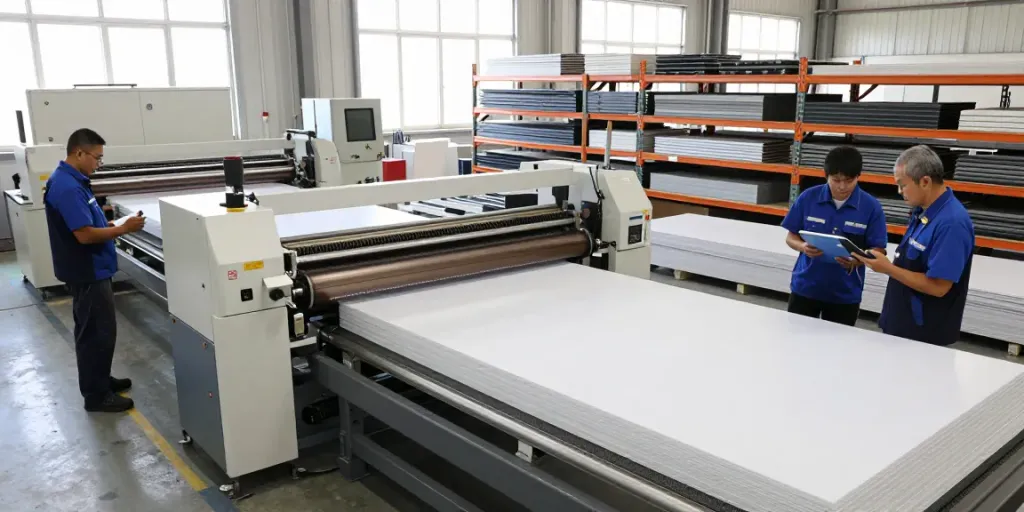
The manufacturing process at Engineered Composites prioritizes excellence through advanced techniques and certified materials. Using state-of-the-art technology and processes, every product undergoes strict quality control measures to ensure performance meets or exceeds expectations.
Importance of Compliance in GRP Production
Compliance with national and international standards is a cornerstone of Engineered Composites’ production methods. This commitment ensures that all GRP products not only perform well but also adhere to legal and safety regulations, providing peace of mind for clients across various sectors.
GRP Versus Traditional Materials: A Comparative Analysis
Advantages Over Steel and Aluminium
When comparing GRP to traditional materials such as steel and aluminum, several advantages emerge:
- Weight: GRP can be up to 70% lighter than steel, allowing for easier handling and reduced transport costs.
- Corrosion Resistance: Unlike steel, GRP does not corrode, which makes it a long-lasting option for outdoor and industrial applications.
- Insulation: GRP is non-conductive, making it a safer choice in electrical environments.
Cost-Effectiveness Throughout Product Lifecycle
Investing in GRP products translates into significant cost savings in the long term. Minimal maintenance requirements and extended lifecycle reduce the total cost of ownership compared to metal alternatives, which often incur higher upkeep and replacement costs.
Sustainability and Environmental Considerations
Engineered Composites is committed to sustainability. The use of GRP contributes to environmentally friendly practices, as it can be manufactured with up to 75% less energy than steel, and its recyclability at the end of life reinforces a commitment to reducing environmental impact.
Practical Application and Installation of GRP Products
Installation Flexibility: Cutting and Drilling GRP
One of the practical advantages of GRP is its adaptability. GRP products can be easily cut or drilled on-site using standard tools, allowing for adjustments during installation without compromising the product's integrity. This flexibility helps streamline the project timeline and minimizes waste.
Maintenance Best Practices for Longevity
To maximize the lifespan of GRP products, regular maintenance is recommended. Simple cleaning with a mild detergent is often sufficient to keep GRP surfaces in optimal condition. Unlike metals or wood, GRP does not require painting, making it a low-maintenance alternative.
Future Trends in GRP Applications and Innovations
As technology advances, the applications of GRP continue to expand. Innovations in material science are yielding lighter, stronger, and more environmentally friendly products, paving the way for GRP's use in even more diverse applications, including aerospace and automotive sectors.
What types of GRP products does Engineered Composites supply?
Engineered Composites offers a comprehensive range of GRP products suitable for various applications, including structural components, walkways, gratings, and handrails. This extensive portfolio ensures that clients find the right solution for their specific needs.
How can I request a quotation from Engineered Composites?
To obtain a quotation, potential clients can reach out directly via phone or fill out an online inquiry form. Engineered Composites prides itself on quick response times, typically providing quotes within an hour.
Are Engineered Composites GRP products suitable for outdoor use?
Yes, GRP products from Engineered Composites are designed to withstand outdoor conditions. They are UV-stabilized and resistant to water and salt exposure, making them ideal for marine and industrial applications.
How does Engineered Composites ensure product quality?
Quality assurance at Engineered Composites involves stringent testing and compliance with established standards. Every product undergoes thorough inspections to ensure it meets safety and performance criteria.
What fire ratings do Engineered Composites GRP products meet?
Engineered Composites' GRP products are subject to fire testing and meet Class 2 fire ratings, ensuring compliance with UK safety regulations for building materials.