Understanding IEC Connectors
IEC connectors, standardized by the International Electrotechnical Commission, serve as vital links in the power supply to various electrical appliances. Whether you are working with consumer electronics, industrial systems, or commercial equipment, understanding the nuances of IEC connectors is essential for ensuring safety and reliability. As a trusted IEC connector manufacturer, LANZ Electronics provides a comprehensive range of high-quality connectors designed for optimal performance across different applications.
What is an IEC Connector?
IEC connectors are defined under the IEC 60320 standard, which specifies the dimensions and characteristics of connectors used in power applications. These connectors are engineered to handle devices with voltage levels up to 250 V AC and currents up to 16 A. Their design facilitates safe and reliable connections, ensuring that appliances operate within specified electrical limits. Common types of IEC connectors include C13, C14, C15, C16, and more, with each type serving specific purposes in various electrical configurations.
Key Specifications and Standards
- Voltage and Current Ratings: IEC connectors support voltages up to 250 volts and currents up to 16 amps, making them suitable for a broad range of applications.
- Compatibility: The connectors are designed to be compatible with standard power cords, enhancing versatility in use.
- Safety Certifications: Most IEC connectors are certified by recognized bodies, including UL and CE, ensuring they meet international safety standards.
Applications of IEC Connectors in Various Industries
IEC connectors find applications in numerous sectors, including:
- Consumer Electronics: Used in home appliances, computers, and audiovisual equipment.
- Industrial Automation: Essential for connecting machinery and control devices ensuring seamless operations.
- Medical Equipment: IEC connectors ensure reliable power supply to critical medical devices, adhering to stringent safety regulations.
- Telecommunications: Used in networking equipment and servers, these connectors provide efficient power management.
Choosing the Right IEC Connector Manufacturer
Selecting the right IEC connector manufacturer is crucial to ensure that you receive high-quality products that meet your specific requirements. Factors to consider include the manufacturer’s reputation, range of available products, and after-sales support.
Factors to Consider When Selecting a Manufacturer
- Industry Experience: Choose manufacturers with a proven track record in producing IEC connectors for your industry.
- Product Range: Ensure the manufacturer offers various connector types, ensuring you can find suitable options for your applications.
- Customization Capabilities: Check if the manufacturer provides custom solutions that can cater to unique specifications.
Understanding Certifications and Quality Assurance
Certifications like ISO, UL, and CE are critical indicators of quality assurance in manufacturing. Ensure your chosen manufacturer adheres to these standards to guarantee safety and reliability. A well-certified manufacturer not only ensures compliance but also reflects a commitment to maintaining high production standards and quality control.
Evaluating Manufacturer Capabilities and Services
Assessing the manufacturer’s capabilities goes beyond looking at their current products. Review their manufacturing processes, technology used, and the flexibility they offer in terms of order sizes and lead times. Good manufacturers should offer strong customer service support and be able to provide insights into the best solutions for your needs.
Manufacturing Process of IEC Connectors
The manufacturing process of IEC connectors is intricate, combining advanced technologies with strict quality control measures to produce reliable components.
Overview of Production Techniques and Equipment
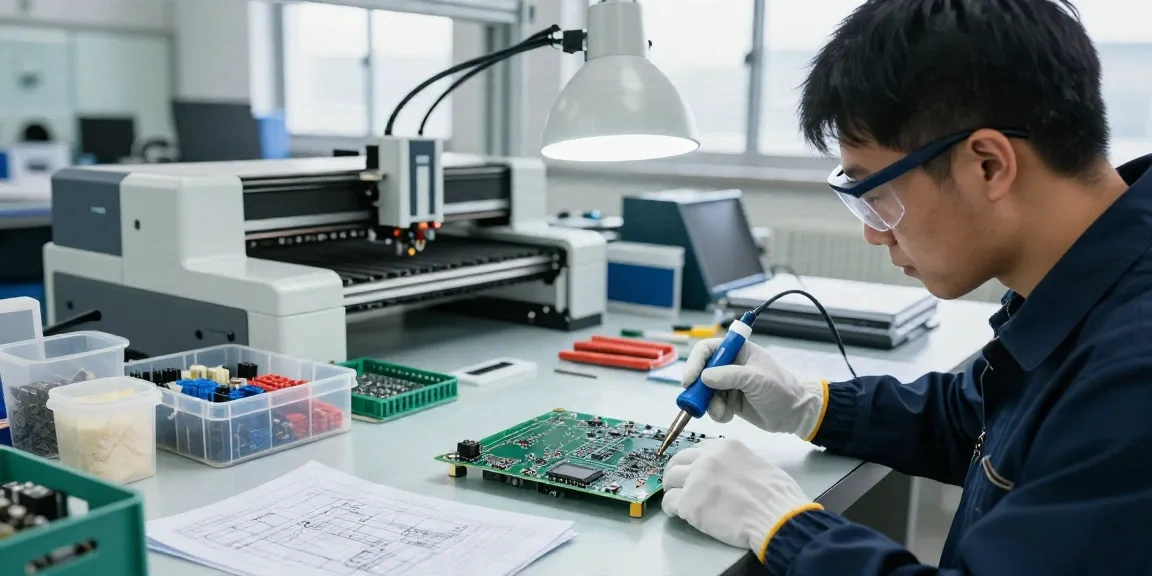
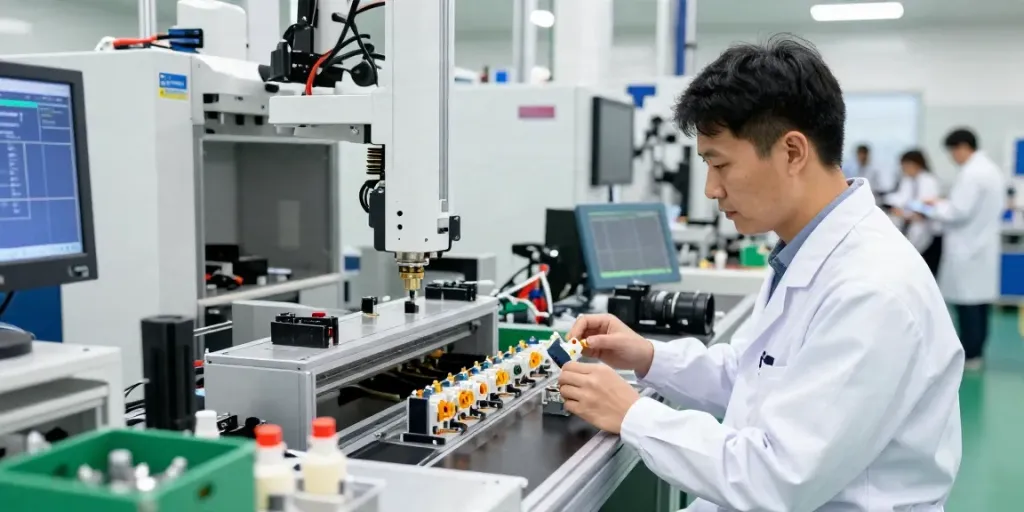
Modern production of IEC connectors utilizes high-precision machinery and automation technology. This not only enhances efficiency but also ensures the accurate fabrication of components that meet stringent standards. Techniques such as injection molding and automated assembly line processes are commonplace, ensuring consistent quality in every batch produced.
Importance of Quality Control in Manufacturing
Quality control is paramount in the manufacturing of IEC connectors. Every component undergoes rigorous testing to ensure compliance with international standards. In-process inspections, final testing, and adherence to RoHS and REACH directives are critical steps that help ascertain product reliability and safety.
Custom Solutions: Engineering and Design Capabilities
Many IEC connector manufacturers, including LANZ Electronics, offer custom engineering solutions. This can include bespoke designs tailored to specific applications, allowing for unique connector configurations and performance characteristics. The ability to customize is particularly crucial for OEM clients needing tailored solutions.
Market Trends for IEC Connectors in 2026
The market for IEC connectors is evolving rapidly, driven by technological advancements and changing industry demands. Understanding current trends can help manufacturers and distributors strategize effectively.
Emerging Technologies Influencing IEC Connectors
With the rapid growth of the electric vehicle market and the increasing demand for renewable energy solutions, IEC connectors are evolving to support new technologies. Innovations such as enhanced durability for harsh environments and smart connectors that integrate technology for better performance monitoring are gaining traction.
Global Market Growth and Competitor Landscape
The global market for electrical connectors, including IEC connectors, is projected to expand significantly. Key players are focusing on enhancing their product portfolios and expanding their geographic reach, particularly in developing regions where infrastructure projects are burgeoning.
Future Developments in Connector Design and Functionality
Future developments are likely to focus on miniaturization, increased functionality, and improved environmental performance. This trend presents opportunities for manufacturers to innovate and stay ahead of the competition.
Addressing Common Challenges with IEC Connectors
While IEC connectors are highly reliable, they are not without their challenges. Understanding these challenges is essential for manufacturers and users alike.
Common Issues Faced by Manufacturers and Users
- Quality Variability: Ensuring consistent quality across batches can be a challenge, especially for high-volume production.
- Compatibility Issues: As technology evolves, ensuring connector compatibility with newer devices is essential.
- Environmental Factors: Connectors must be resistant to various environmental conditions, including humidity, temperature variations, and corrosive substances.
Best Practices for Preventing Connector Failures
To mitigate common issues, manufacturers should implement best practices such as regular training for assembly staff, using high-quality materials, and incorporating feedback loops in the production process to identify and rectify problems early on.
Technical Support and Customer Service Solutions
Robust technical support is vital for addressing customer inquiries and resolving issues rapidly. Manufacturers should provide comprehensive documentation and responsive customer service to ensure users can maximize the utility of the connectors.